




Market Access
Latest News
Advertisement
Latest Videos


Advertisement
More News

The partnership focuses on enhancing the patient experience by providing greater affordability and access to specialty meds.
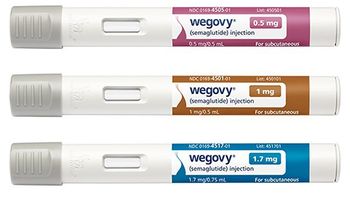
NovoCare will offer the GLP-1 injection to cash-paying patients for a discounted $499 per month.
In the final part of his video interview with Pharma Commerce Editor Nicholas Saraceno, Geoffrey Joyce, PhD, director of health policy at the Leonard D. Schaeffer Center for Health Policy & Economics at USC, describes how PBMs financially benefit from generics, and why a completely open generic market powered by cash would be beneficial.

The injection for the treatment of psoriatic arthritis—among other indications—is a biosimilar to Stelara.

Digging a little deeper into the drug class phenomenon reveals some interesting takeaways on a smaller subgroup of users.

How chain and local closures are impacting healthcare access.

Finding the optimal balance in pharmacy benefit manager reform.

A look at the actionable steps needed to elicit change.
In the final part of his video interview with Pharma Commerce Editor Nicholas Saraceno, Ed Schoonveld value & access advisor for Schoonveld Advisory and author of The Price of Global Health, previews his upcoming February column.
In the first part of his video interview with Pharma Commerce Editor Nicholas Saraceno, Ed Schoonveld, value & access advisor for Schoonveld Advisory and author of The Price of Global Health, comments on the future implications of the latest CMS drug price negotiations.
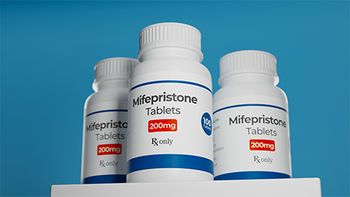
A cross-sectional study investigates the impact of Dobbs v Jackson’s Women’s Health Organization on national support and personal interest.

What factors influence their likelihood of receiving this form of obesity treatment?

A forum intended for HCPs, policy experts, and industry leaders addresses pressing obstacles facing this sector of the industry today.

Vibhu Tewary offers insight on this market segment, including a behind-the-scenes of what goes into designing a report.
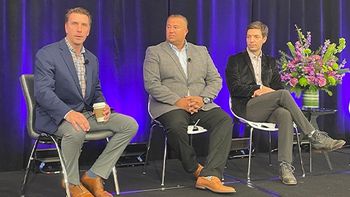
A panel examines the gross-to-net bubble across various product mixes, how pricing impacts market access, and more.

Kevin O’Meara discusses how patient service teams influence adherence from Direct-to-Patient models.
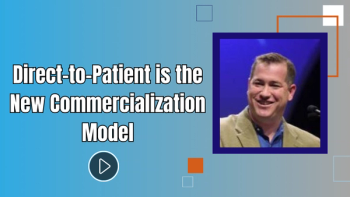
Kevin O’Meara discusses Patient-Cetric 3.0 breakout session and the challenges of drug manufactures implementing Direct-to-Patient models.
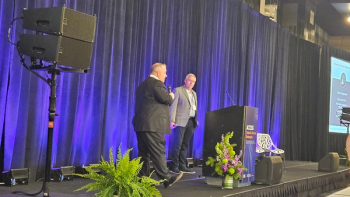
Breakout session explores how direct-to-patient models shorten the time to diagnosis and therapy to improve patient outcomes.
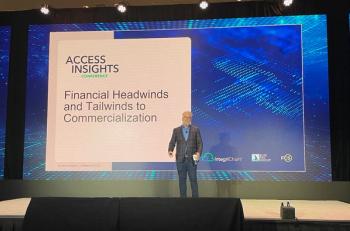
Access Insights Conference delves into the latest obstacles, while mapping out potential solutions to address them.
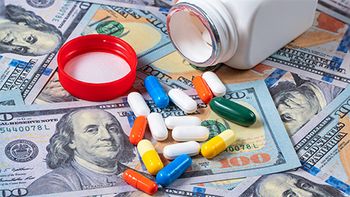
A cohort study of cancer drugs analyzes where the priorities of pricing policies should lie.
Is the potential of a more formal policy integration for health issues and disease prevention a scary suggestion or a good idea?

While the program could be a good option for many, it's not a panacea.
A crash course on the bubble itself, including therapeutic areas most affected.
In the final part of his video interview with Pharma Commerce Editor Nicholas Saraceno, Chase Feiger, MD, co-founder, Ostro, outlines the trends he expects to see over the next 10-15 years when it comes to the intersection of AI and life sciences.

The proposal aims to reduce out-of-pocket costs for a number of weight loss medications by 95%.
Advertisement
Advertisement
Trending on Pharmaceutical Commerce
1
How Rebate Timing Distorts a Pharmacy's 340B Books
2
EU Pharma Reform: Strategic Implications for US Drugmakers
3
White House Extends MFN Pricing to Every State Medicaid Program
4
Pharma Pulse: Behind the Scenes of LogiPharma USA 2026
5