





Market Access
Latest News
Advertisement
Latest Videos




Advertisement
More News
This episode of Pharma Pulse covers ATA’s warning that telehealth protections are critical to maintaining care access during a potential federal shutdown, new KFF data showing the rapid rise of Medicare Advantage special needs plans, and Halozyme’s $750 million acquisition of Elektrofi to expand its drug delivery portfolio.
This episode of Pharma Pulse covers the Trump administration’s plan to launch a government-run healthcare website for patients, new data showing gabapentin has become the fifth most prescribed drug in community pharmacies, and promising trial results from a novel gene therapy that slows the progression of Huntington’s disease.

This guide shows how to move beyond rear-view reporting and transform data into actionable strategies that drive payer engagement, sharpen planning, and maximize brand performance.
Capturing insights from executives and industry experts on the biggest challenges shaping pharma today, from drug pricing pressures and access barriers to supply chain shifts, digital adoption, and evolving patient-centered care strategies.
This episode of Pharma Pulse covers new research showing Medicaid cuts could widen pediatric coverage gaps, clinical trial data on a fixed-dose combination therapy lowering heart failure risk in type 2 diabetes, and Bristol Myers Squibb’s launch of a direct-to-patient program for Sotyktu to improve psoriasis treatment access.
This episode of Pharma Pulse covers the CDC’s unanimous vote to broaden COVID-19 vaccine recommendations for all adults, new data showing the Medicare Part D Senior Savings Model lowers insulin costs and improves care, and Eli Lilly’s investment in a new Houston manufacturing facility to support its fast-growing pipeline.

The draft assessment finds that the popular weight loss drugs are costly but worth the price tag, while also urging for broader coverage and policy solutions.
This episode of Pharma Pulse covers the FDA’s decision to restrict bulk ingredients for compounded GLP-1 therapies, new evidence showing RSV vaccines improve cardiorespiratory outcomes in adults over 60, and pharmacy owners’ concerns over barriers to participating in the Medicaid Drug Price Negotiation Program.

By reducing waste, improving forecasting, and strengthening payer negotiations, these technologies are helping pharmaceutical companies unlock efficiency, accelerate adoption, and differentiate in competitive markets.
This episode of Pharma Pulse covers ACOG’s renewed support for COVID-19 vaccination during pregnancy, new real-world evidence confirming the safety of dapagliflozin and empagliflozin for type 2 diabetes, and a partnership between EVERSANA and Waltz Health to improve affordability and patient access.

The merger integrates EVERSANA’s commercialization services with Waltz Health’s AI-powered payer tools to address patient affordability, streamline drug access, and reduce costs for high-expense therapies such as GLP-1s.
This episode of Pharma Pulse covers a $290 million False Claims Act ruling against CVS Caremark, a new report showing most small medical practices fall short on HIPAA compliance, and research revealing why pharmacists underreport adverse drug reactions.

A federal judge tripled damages against the pharmacy benefits manager after finding it encouraged inflated Medicare drug claims and underpaid pharmacies.

Payer-level reporting should do more than track performance—it must guide strategy, focus resources, and drive measurable brand impact.
This episode of Pharma Pulse covers a new collaboration to expand access to GLP-1 therapies via LillyDirect, Pfizer’s Phase III miss in sickle cell disease, and how patient portals are improving access to care while creating new workload challenges for providers.

As over half of Americans now receive prescriptions through Medicare or Medicaid, pharma companies must shift from a commercial-first approach to a statutory-first model, making GTN governance a C-suite priority for long-term brand survival.
This episode of Pharma Pulse discusses a new executive order to build a domestic API stockpile, Eli Lilly’s 170% price increase for Mounjaro in the UK, and long-term research confirming the safety of aluminum in childhood vaccines.
This episode of Pharma Pulse explores AbbVie’s $195 million investment to expand US API production, new survey results showing mail-order and supermarket pharmacies outpacing traditional chains in customer satisfaction, and rising affordability pressures as insurers restrict GLP-1 coverage.

As pharma drug pricing debates heat up, the 340B program faces mounting challenges from outdated regulations, duplicate discounts, and limited transparency.
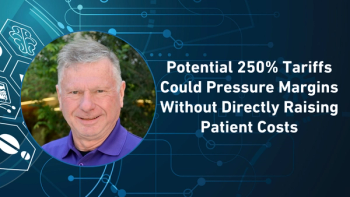
In the first part of his Pharma Commerce video interview, Dave Malenfant, a healthcare supply chain expert, explains how steep pharmaceutical import tariffs might affect costs at different points in the supply chain, why component pricing poses a bigger risk than active ingredients, and how insurers, distributors, and manufacturers may negotiate to shield patients from price increases.

Conversation with chief tech expert explores AI’s rise in the support space—and separating the substance from the noise.
This episode of Pharma Pulse covers Vinay Prasad’s return to lead the FDA’s biologics center after a brief resignation, new research on severe COVID-19 risks for childhood cancer survivors, and the strategies pharma companies are adopting to stay competitive amid escalating healthcare costs.
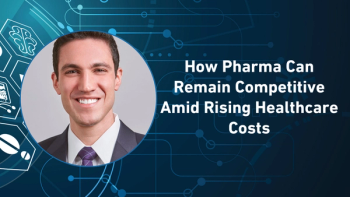
In the final part of his Pharma Commerce video interview, Philip Sclafani, PwC's pharmaceutical and life sciences lead, discusses operational and pricing strategies pharma executives can adopt to navigate sustained cost inflation, including supply chain optimization, payer collaboration, and value-based approaches to ensure patient access and affordability.

The GSK Flovent example highlights the consequences for patients and pharma of the decision to eliminate the Medicaid rebate cap.
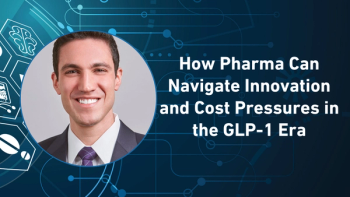
In the second part of his Pharma Commerce video interview, Philip Sclafani, PwC's pharmaceutical and life sciences lead, discusses how the pharmaceutical industry is balancing high-cost innovation, especially in obesity and metabolic disease, with payer demands for cost containment, highlighting the growing role of biosimilars and future generics in offsetting spend.
Advertisement
Advertisement