



Market Access
Latest News
Advertisement
Latest Videos

Podcasts


Advertisement
More News
This episode of Pharma Pulse covers a new collaboration to expand access to GLP-1 therapies via LillyDirect, Pfizer’s Phase III miss in sickle cell disease, and how patient portals are improving access to care while creating new workload challenges for providers.

As over half of Americans now receive prescriptions through Medicare or Medicaid, pharma companies must shift from a commercial-first approach to a statutory-first model, making GTN governance a C-suite priority for long-term brand survival.

As pharma drug pricing debates heat up, the 340B program faces mounting challenges from outdated regulations, duplicate discounts, and limited transparency.
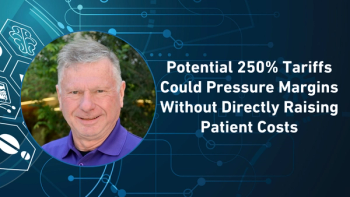
In the first part of his Pharma Commerce video interview, Dave Malenfant, a healthcare supply chain expert, explains how steep pharmaceutical import tariffs might affect costs at different points in the supply chain, why component pricing poses a bigger risk than active ingredients, and how insurers, distributors, and manufacturers may negotiate to shield patients from price increases.

Conversation with chief tech expert explores AI’s rise in the support space—and separating the substance from the noise.
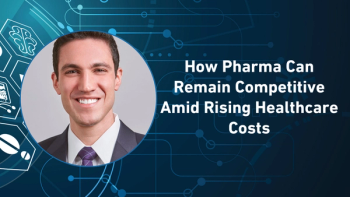
In the final part of his Pharma Commerce video interview, Philip Sclafani, PwC's pharmaceutical and life sciences lead, discusses operational and pricing strategies pharma executives can adopt to navigate sustained cost inflation, including supply chain optimization, payer collaboration, and value-based approaches to ensure patient access and affordability.

The GSK Flovent example highlights the consequences for patients and pharma of the decision to eliminate the Medicaid rebate cap.
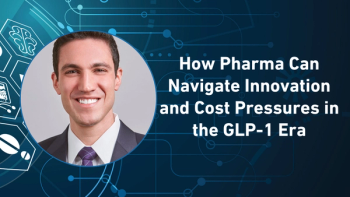
In the second part of his Pharma Commerce video interview, Philip Sclafani, PwC's pharmaceutical and life sciences lead, discusses how the pharmaceutical industry is balancing high-cost innovation, especially in obesity and metabolic disease, with payer demands for cost containment, highlighting the growing role of biosimilars and future generics in offsetting spend.

The online weight loss company launches a $119 starter plan using low-dose semaglutide and behavioral coaching to improve access, reduce side effects, and support sustainable weight loss.
In the first part of his Pharma Commerce video interview, Philip Sclafani, PwC's pharmaceutical and life sciences lead, shares how he foresees the One Big Beautiful Bill Act reshaping prescription drug spending, and what strategies pharmaceutical companies adopt to mitigate its potential impact on innovation, R&D investment, and M&A activity.

The Spain-based CDMO strengthens its North American presence and capabilities through its purchase, while also acquiring a new rare disease treatment from Sanofi one month prior.

Is the industry ready for the Aug. 1 deadline of when these levies go into effect?

A JAMA Network Open study reveals that patients with private insurance can face monthly costs nearing $600 after a cancer diagnosis, highlighting the disparities based on cancer stage and calling for stronger financial support policies.

Kevin Chinn, vice president and head of the cell & gene therapy service line at Cencora, outlines why early planning, stakeholder engagement, and innovative access strategies are key to long-term CGT success.
In the fourth part of his Pharma Commerce video interview, Hyung Heon Kim, CEO of MetaVia, explains the market dynamics or stakeholder misalignments that need to be resolved in order for the next generation of weight-loss drugs to reach scale without overburdening payers.
In the third part of his Pharma Commerce video interview, Hyung Heon Kim, CEO of MetaVia, outlines alternative reimbursement or value-based contracting models that could be feasible in the short term, given CMS’ decision not to finalize coverage for obesity meds in 2026.

In the second part of his Pharma Commerce video interview, Hyung Heon Kim, CEO of MetaVia, explains how dual-action metabolic therapies can address clinical or tolerability gaps observed in first-generation GLP-1s.
In the first part of his video interview with Pharma Commerce Editor Nicholas Saraceno, Brad Stewart, BDO’s national life sciences co-leader, describes the immediate and long-term impacts of this potential levy on pharma imports.
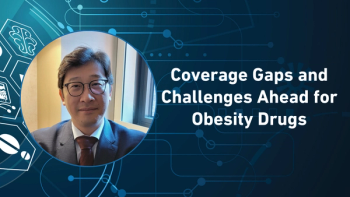
In the first part of his Pharma Commerce video interview, Hyung Heon Kim, CEO of MetaVia, describes the US payer ecosystem’s level of preparedness to support broader access and long-term affordability for these therapies.
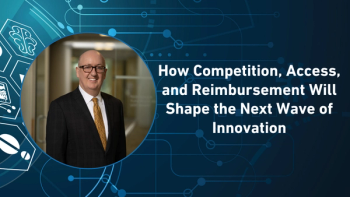
In the final part of his Pharma Commerce video interview, Murray Aitken, executive director, IQVIA Institute for Human Data Science, details how he sees the competitive landscape evolving
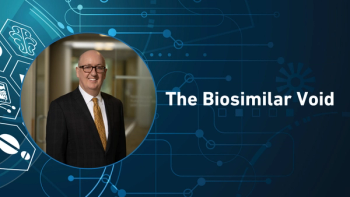
In the fourth part of his Pharma Commerce video interview, Murray Aitken, executive director, IQVIA Institute for Human Data Science, outlines what he anticipates for the biosimilar adoption curve in key markets moving forward.
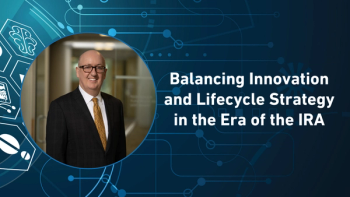
In the third part of his Pharma Commerce video interview, Murray Aitken, executive director, IQVIA Institute for Human Data Science, explains the strategies that manufacturers should adopt to balance investment in innovation with lifecycle management.
In the second part of his Pharma Commerce video interview, Murray Aitken, executive director, IQVIA Institute for Human Data Science, suggests how pharma companies should revise their market access and pricing models to align with the evolving landscape.

The agreement grants LEO Pharma exclusive rights to the branded form of spesolimab for generalized pustular psoriasis and potentially, other IL-36–driven conditions.
In the first part of his Pharma Commerce video interview, Murray Aitken, executive director, IQVIA Institute for Human Data Science, describes the process behind developing the “Global Use of Medicines Outlook Through 2029” report.
Advertisement
Advertisement