In today’s Pharma Pulse, the FDA expands a key biologic approval for pediatric patients, and new research highlights the success of pharmacist-led testing in rural communities.
In today’s Pharma Pulse, the FDA expands a key biologic approval for pediatric patients, and new research highlights the success of pharmacist-led testing in rural communities.
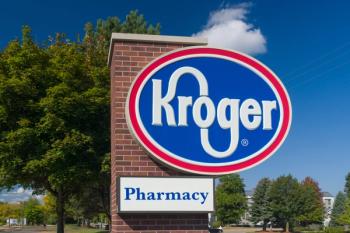
Kroger will offer the Zepbound KwikPen at its participating retail pharmacies.

Evaluate’s 2026 analysis finds that rare disease therapies are set for continued growth—potentially exceeding $400 billion in sales by 2032.
In today’s Pharma Pulse, Eli Lilly issues a safety warning and SteinCares enters a licensing agreement with Shilpa Biologicals to expand biosimilar access in Latin America.
Eli Lilly is investing $3 billion over the next decade to build a localized manufacturing and supply system in China.

The AI-native operating system targets complex workflows, automating claims and communications to reclaim logistics teams' time.
In today’s Pharma Pulse, the FDA launched a unified monitoring system to enable real-time adverse event reporting, and direct-to-employer drug purchasing models are emerging as companies look to bypass traditional intermediaries.
The FDA launched AEMS, a unified platform that replaces fragmented legacy databases to enable real-time adverse event reporting.

In the first part of his Pharmaceutical Commerce interview, Jay Bregman, founder and CEO of Andel, discusses how employers are exploring direct-to-employer drug purchasing models that bypass traditional pathways.

In today’s Pharma Pulse, the FDA approved Wellcovorin as the first therapy for an ultra-rare neurological disorder, and disparities in OTC naloxone access persist despite declining retail prices.


Even as manufacturers and their logistics partners grapple with unstable supply chains, the technology continues to evolve.
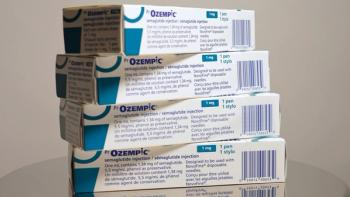
Hims & Hers will offer branded semaglutide instead of compounded GLP-1 drugs.
In today's Pharma Pulse, Ipsen voluntarily withdraws tazemetostat due to safety signals, while the FDA approves deucravacitinib for active psoriatic arthritis.
In today's Pharma Pulse, the NCPA warns of a severe cash flow crisis for independent pharmacies under the Medicare Drug Price Negotiation Program, while Norgine commits sixty-seven million dollars to modernize its UK manufacturing hub.

The FDA is working with states to implement the Section 804 Importation Program, offering new regulatory enhancements for projecting cost savings on Canadian drug imports.


The current rep model no longer fits. The rep of the future is a strategist, a data-enabled connector, and a trusted ally in improving patient care.

Rising geopolitical tensions in West Asia could threaten up to $600 million in Indian pharmaceutical exports.
The FDA granted a rapid 55-day approval for J&J’s combination of teclistamab and daratumumab hyaluronidase-fihj for multiple myeloma treatment.
In today’s Pharma Pulse, Eli Lilly has launched the Employer Connect platform broadening access to Zepbound for U.S. workers, while Tandem Diabetes expands the reach of its Mobi insulin pump to Android smartphones.
CVS Health and Google Cloud will launch Health100 this year, an AI-driven healthcare engagement platform.
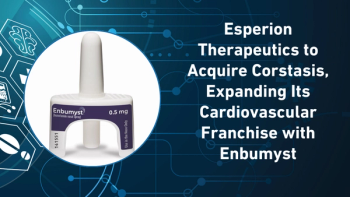
Esperion Therapeutics has entered into a definitive agreement to acquire Corstasis Therapeutics for $75 million upfront and up to $180 million in milestones, integrating Enbumys into its cardiovascular franchise.
In today’s Pharma Pulse, Antengene and UCB ink a $1.18 billion global deal for ATG-201 to target autoimmune diseases, while AI partnerships and Pharma 4.0 technologies accelerate drug development and manufacturing efficiency.

Eton Pharmaceuticals reached its long-held goal of ten rare disease commercial products, acquiring the US rights to Hemangeol, the only FDA-approved treatment for infantile hemangioma.
In today's Pharma Pulse, the FDA expands the pediatric indication for Juxtapid to treat rare homozygous familial hypercholesterolemia, while Novo Nordisk announces a major €432 million investment in its Irish facility to scale global oral GLP-1 production.