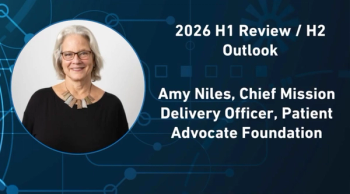
Amy Niles of the Patient Advocate Foundation on the Medicare Part D cap, Medicaid, ACA exchanges and rural hospital access in late 2026.
Amy Niles of the Patient Advocate Foundation on the Medicare Part D cap, Medicaid, ACA exchanges and rural hospital access in late 2026.

Geopolitical instability is pushing life sciences firms to map supply chains beyond suppliers to protect trials and patient access.

How commercial trade groups are shifting from distribution execution to strategic partners shaping market access, launch readiness and commercial performance.
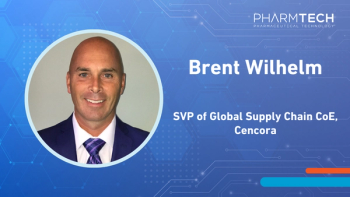
Cencora's Brent Wilhelm on how specialty drug growth, cold chain demand, and reimbursement pressure are pushing distributors toward centralized safety stock and AI-driven flexibility.
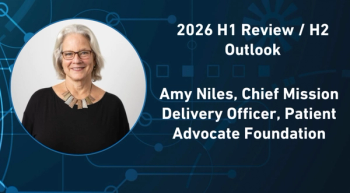
Amy Niles of the Patient Advocate Foundation on Medicaid work requirements, ACA subsidy expiration and patient affordability in 2026.
In this week's Pharma Pulse, Cardinal Health expands its at-Home Solutions business with two acquisitions, President Trump lays out a phased tariff schedule for generic drugs, and Novo Nordisk sues Eli Lilly over GLP-1 advertising claims.

A subtraction-oriented approach to pharmacy data can surface avoidable drug waste that fragmented systems routinely miss.
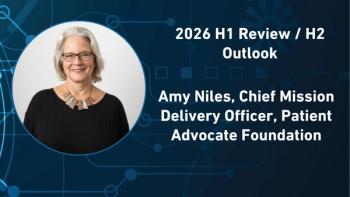
Amy Niles of the Patient Advocate Foundation revisits her 2026 outlook on prior authorization reform and the Medicare Prescription Payment Plan.

Novo Nordisk’s complaint argues that Lilly's campaigns leave out information about the most effective injectable doses of Wegovy (semaglutide) and Ozempic (semaglutide), a dispute that could reshape how both companies compete for share in the GLP-1 market.
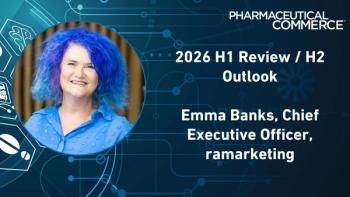
Ramarketing CEO Emma Banks revisits her "year of two halves" outlook, discussing whether 2026 has followed the same pattern and what she expects for H2.

Doceree launched Semmelweis, an AI model built for pharma commercialization, as drugmakers ramp up AI investment in marketing and sales operations.
Cencora's Brent Wilhelm explains why final-mile drug delivery hinges on carrier network visibility, and how AI is helping route around weather-driven disruptions.

The models pharma inherited were built for conditions that have changed. A look across the August issue at an industry redesigning itself.

Continuous monitoring, targeted automation and interoperability standards are redefining pharma cold chain custody and cutting temperature excursions.
Episode 1 of Supply Chain Signal breaks down the FDA's PreCheck pilot, the US Section 301 probe into German drug pricing, and CMS's move to make Medicare drug price negotiation permanent.
Brent Wilhelm of Cencora discusses why available inventory still leads to shortages, and how tighter distributor-manufacturer integration and AI could close the gap.
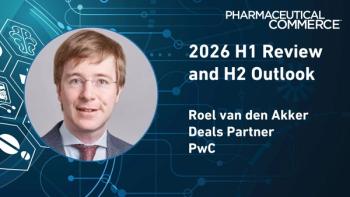
PwC's Roel van den Akker says pharma M&A ran beyond expectations in the first half of 2026, with dealmaking potentially on pace to hit $300 billion in H2.
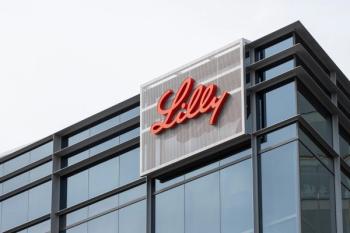
Eli Lilly's acquisition of AtaiBeckley signals growing pharmaceutical industry commitment to psychedelic-based treatments for treatment-resistant depression.
In this week's Pharma Pulse, CVS Caremark settles with the FTC over rebates and TrumpRx, Germany more than doubles its drug rebate, and the FDA proposes a registration rule.

EVERSANA's Danny Williams on how cell and gene therapies, AI, and direct-to-patient fulfillment are reshaping the pharma 3PL model.
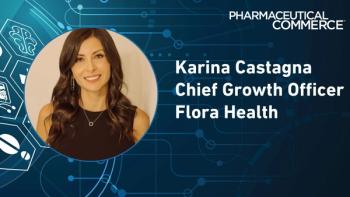
Many barriers to therapy emerge after a prescription is written. Karina Castagna makes the case for access support embedded at the point of care.

The API Innovation Center's Gerren McHam on China's new supply chain rules, reshoring policy, and where US drug manufacturing goes next.

Specialty drugs, cell and gene therapies, and GLP-1s are reshaping pharma distribution, forcing 3PLs to build for both precision and scale.

Germany's new health insurance law more than doubles mandatory drug rebates. Here is why it matters for US pharma pricing and launches.

ORBIS' Matt Marchetti outlines how pharma companies can define supply chain impact, KPIs, and ROI when transitioning to reusable plastic pallets.

RxLogic's Ann Beal on how PBM reform indirectly impacts pharma manufacturers' affordability programs, rebate planning, and patient access.

TailorMed and Tennr are integrating referral automation with medication affordability tools for infusion centers and specialty pharmacies, aiming to address patient barriers earlier.
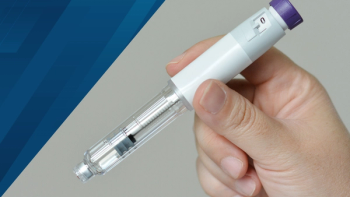
As Medicare expands GLP-1 access, pharmacies emerge as key to adherence, through patient education, ongoing engagement and timely intervention
In this week's Pharma Pulse, lawmakers introduce comprehensive 340B legislation, Peak Rock Capital completes its acquisition of Asembia, and new LogiPharma data shows supply chain risks across the industry.

As China tightens supply chain rules, tariff pressure persists, and the FDA's PreCheck Program takes shape, this FAQ breaks down how pharma reshoring stands in 2026.