
Conference Coverage
about 1 month ago
How Pharma Can Adjust to Global Market Uncertaintyabout 1 month ago
Why Early RWE Planning Matters for Market Accessabout 1 month ago
Austin Russian: How Rare Disease Therapy Launches will Adaptabout 1 month ago
Asembia AXS26: What Does CGT Distribution and Access Look Like?about 1 month ago
Asembia AXS26: How Drug Innovation Could Strain Access SystemsLatest Content

Jun 11, 2026 | News
Why Some Employers Are Scaling Back GLP-1 Coverage in 2027

How Automation and AI Transform Pharmacovigilance
Jun 11, 2026
Pharma Pulse: A Surge In Drug Discontinuations and Unapproved Retatrutide Prescriptions
Jun 11, 2026
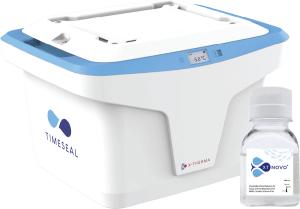
X-Therma Launches Cold Chain Platform for Cell Therapies
Jun 10, 2026

How Specialty Pharmacies Are Redefining Their Role in the Patient Journey
Jun 10, 2026






Advertisement
Shorts
0:19
How Patient Services will Evolve in the Next 5 Years
4 days ago
by
Nareda Mills
0:46
What Pharma Looks for In a 3PL Partner in 2026
5 days ago
by
Danny Williams
0:31
How 3PLs Have Evolved in Recent Years
9 days ago
by
Danny Williams
3:59
Penny for Your Thoughts: Episode 12
11 days ago
by
Christopher Cole
1:05
How Will Specialty Launches Change as Cell and Gene Therapies Scale?
16 days ago
by
Austin Russian, PANTHERx Rare Pharmacy
0:42
What Patient Support Will Look Like in 5 Years
18 days ago
by
Corey Ford
0:52
How Supporting Adherence Boosts Patient Outcomes
23 days ago
by
Kieran Daly, HealthBeacon
3:59
Penny for Your Thoughts: Episode 11
25 days ago
by
Christopher Cole
0:37
Which US health policy will shape market access most?
a month ago
by
Will Shrank, MD
0:25
Megan Wetzel: What Will Shape Pharma?
a month ago
by
Megan Wetzel
Qualified Temperature-Controlled Corridors: The Future is Here
A new standard is reshaping global pharmaceutical logistics. Discover how validated temperature-controlled corridors enhance compliance, reduce risk, and protect product integrity across every mile.
Inside the Shifting Role of Pharma 3PLs: Resilience, Regulation, and the Road Ahead
Sector leaders explore how third-party logistics providers are adapting to advanced therapies, tighter regulations, digital transformation, and expanding cold chain demands.

The Broken Business Model Driving America’s Pharmacy Deserts
Community pharmacies are being squeezed out of local markets, creating pharmacy deserts that raise costs, reduce access, and strain the healthcare system.

Designing Patient Hubs Purpose-Built for Cell and Gene Therapies
These hubs can streamline access, reduce friction across reimbursement and logistics, and improve outcomes, as the CGT pipeline expands and patient demand accelerates.

Podcasts
All News
Advertisement
Advertisement

USP's Annual Drug Shortages Report reveals a sharp rise in product discontinuations, driven by unsustainable generic pricing, upstream geographic concentration, and manufacturing complexity.
Danny Williams breaks down direct-to-patient distribution and his outlook on where pharma 3PLs are headed over the next five years.

After adding 160 more drugs, TrumpRx tops 800 prescription offerings. Here's what the latest MFN-driven expansion means for pricing and access.
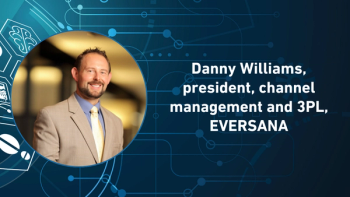
Danny Williams discusses how AI has moved from experimental pilots to full operational deployment across supply chain functions, and how cell and gene therapies are reshaping the logistics industry.

4flow's Natalia Andreyeva breaks down the persistent planning failures driving AI adoption in pharma supply chains.
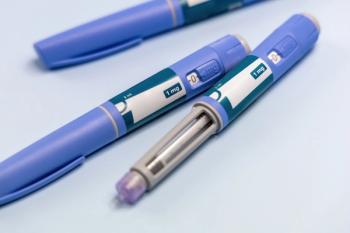
A new CMS demonstration launching July 1 will offer eligible Part D beneficiaries access to branded obesity drugs at a $50 copay. Here's what manufacturers, payers, and pharmacies need to know.
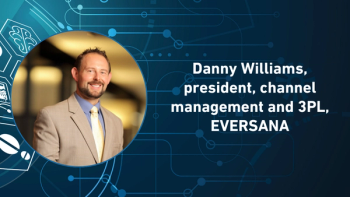
EVERSANA's Danny Williams breaks down the most consequential operational shifts in pharma 3PL over the past five years, from full-pallet distribution to integrated commercialization support for complex, targeted therapies.
In this week's Pharma Pulse, a Bluesight survey flags hospital pharmacy's top concerns, the Wegovy pill is introduced to the UAE, and more.
Novo Nordisk's UAE launch of the Wegovy pill signals a new phase of oral GLP-1 commercialization, with major implications for pharma distribution, channel strategy, and international market access.
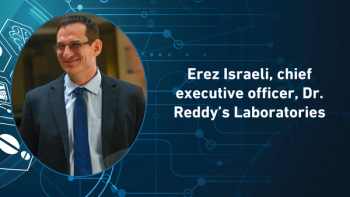
Erez Israeli explains how Dr. Reddy's approached commercial readiness for its generic semaglutide launch in Canada and what vertical integration in peptide manufacturing means for the GLP-1 market.
Advertisement
Cencora will support US distribution of Kite's Yescarta and Tecartus, reducing administrative burdens and expanding CAR T-cell therapy access at authorized treatment centers.
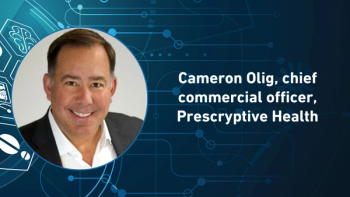
Cameron Olig explains how transparency and direct access models can help pharma close the gap between drug pricing, distribution and the patient.

ThermoSafe expands US VIP manufacturing amid surging biologics demand and growing pressure to reduce overseas cold chain packaging risk.
FDA approves Shionogi's Xocova, the first oral post-exposure COVID-19 prevention therapy, reducing infection risk by 67% in Phase III trials.
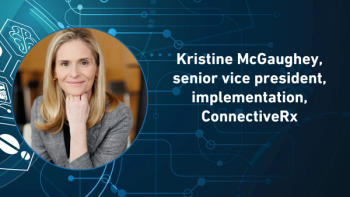
Early launch planning, streamlined patient access, and measured AI adoption help specialty therapy programs accelerate treatment and sustain success.
Advertisement
Advertisement
Trending on Pharmaceutical Commerce
1
Why Some Employers Are Scaling Back GLP-1 Coverage in 2027
2
How Automation and AI Transform Pharmacovigilance
3
Pharma Pulse: A Surge In Drug Discontinuations and Unapproved Retatrutide Prescriptions
4
TrumpRx Adds 160 More Drugs: Why the Latest Expansion Matters
5