
Artificial Intelligence
Latest News
Advertisement
Latest Videos



Shorts

0:41
AI Spoofing: A Supply Chain Risk for 2027
18 days ago
by
Kerem Tokel

0:56
How AI and Data Integration Revolutionize Pharmacy Supply Chains
8 months ago
by
Valerie Bandy, PharmD(+1 more)
0:35
How Small Companies Use AI to Topple Giants
9 months ago
by
Nicholas Saraceno, Senior Editor(+1 more)

0:41
Trust Is the Real Roadblock for Decentralized Pharma Networks
9 months ago
by
Nicholas Saraceno, Senior Editor(+1 more)
0:57
How AI Is Transforming Healthcare and Pharma
9 months ago
by
Nicholas Saraceno, Senior Editor(+1 more)
0:36
How States Like Colorado and Utah Are Leading AI Regulation
a year ago
by
Nicholas Saraceno, Senior Editor(+1 more)
Podcasts
Advertisement
More News

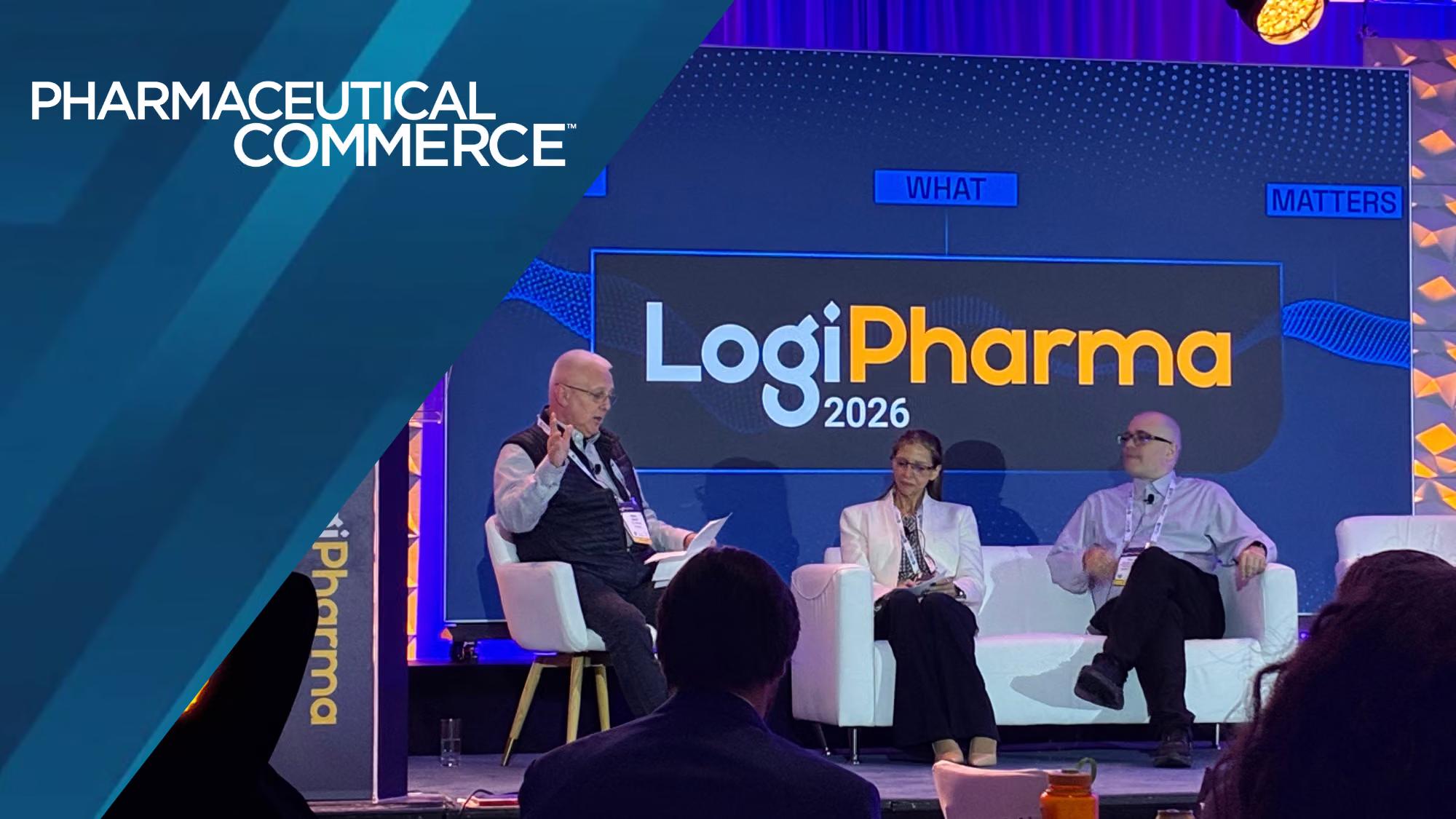
At LogiPharma USA 2026, Mark Talens explains where pharma gains the most from shared distribution visibility.
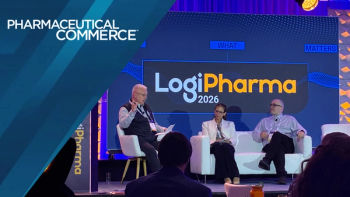
At LogiPharma USA 2026, quality leaders explained why connected data, risk-based prioritization, and human accountability must come before AI in supply chain compliance.
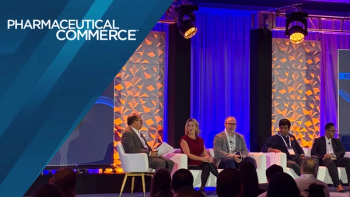
At LogiPharma USA 2026, leaders from J&J, Sun Pharma, Accord Healthcare, and Freehand discussed visibility, redundancy tradeoffs, and AI's role in resilient pharma supply chains.

LogiPharma's Charleen Ring and McKesson's Chris Van Norman preview the 2026 agenda, sessions to prioritize and a day two fireside chat.

In this Q&A, Doceree CEO Harshit Jain, MD, explains why AI should inform prescribing decisions, not drive them, and how sales reps own relationships while AI extends reach.

Authenticx CEO Amy Brown on why patient support AI needs continuous oversight, not just adoption.

AI-native operating systems present new capabilities to improve pharma supply chain operations.

Alexis Cogswell of Inizio Medical explains how combining real-world data, AI analysis and HCP context is helping medical affairs teams move from retrospective reporting to actionable, real-time strategy.

As pharmaceutical companies scale their use of AI across drug safety operations, the Council for International Organizations of Medical Sciences Working Group XIV's now-published guidance sets the bar for what will be required for sustained system validation.

AI-enabled pharmacovigilance is becoming a commercial capability that protects product value and speeds evidence-based market access decisions.

Ed Schoonveld examines how AI is reshaping drug pricing and access, from payer decisions to prescribing, and what it means for new drug treatments.

Pharma hub services are evolving as manufacturers navigate specialty therapy growth, digital transformation, vendor transitions, and new models for patient access and support.

Kenco has put DeepFabric's AI agents into live production across its 3PL operations, with plans to scale to 20 agents within a year.

Access leaders are pressed to prove AI ROI, but ConnectiveRx execs Cindy Baksh and Steve Randall argue the real work is defining "better" first, then deciding where AI fits.

Peli BioThermal and PAXAFE are partnering to pair cold chain packaging with AI-powered monitoring, signaling where pharma logistics technology is headed next.
Ramarketing CEO Emma Banks revisits her "year of two halves" outlook, discussing whether 2026 has followed the same pattern and what she expects for H2.

Doceree launched Semmelweis, an AI model built for pharma commercialization, as drugmakers ramp up AI investment in marketing and sales operations.

Generating real-world evidence isn't enough. What drives market access is whether payers can actually evaluate and act on it.

4flow's Natalia Andreyeva breaks down the persistent planning failures driving AI adoption in pharma supply chains.

The US DSCSA requires digital drug traceability to ensure patient safety, but supply chains face data errors; deploying AI adds an intelligent compliance layer to automate process tracking and protect drug access.

BMS will deploy enterprise AI across functions to streamline workflows, structure field insights, and improve HCP engagement and execution.
Ben Sharples, LogiPharma event director, examines how life sciences organizations are adapting to AI in the supply chain, with expert testimony from LogiPharma partners.
Joydeep Ganguly evaluates 4IR tools, data strategy, and why end-to-end thinking will define pharma supply chain transformation.

Rahul Shah and Mack MacKenzie explain how to unlock the ROI that rules-based systems have left on the table.

Brightseed debuts a clinically validated AI platform to integrate life sciences innovation from discovery to commercialization
Advertisement
Advertisement
Trending on Pharmaceutical Commerce
1
Pharma Pulse: Cencora to Acquire AON, Amazon and Google Back ePA Expansion
2
Inside the 340B Rebate Pilot Standoff: Court, Congress, Drugmakers
3
How Pharma Automation Cuts Human Touches and Error Risk
4
FAQ: How Is AI Being Deployed in Pharma Supply Chains?
5