



Artificial Intelligence
Latest News
Advertisement
Latest Videos




Advertisement
More News

The AI-native operating system targets complex workflows, automating claims and communications to reclaim logistics teams' time.
In today’s Pharma Pulse, Antengene and UCB ink a $1.18 billion global deal for ATG-201 to target autoimmune diseases, while AI partnerships and Pharma 4.0 technologies accelerate drug development and manufacturing efficiency.
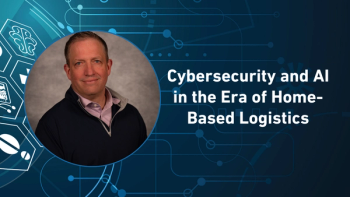
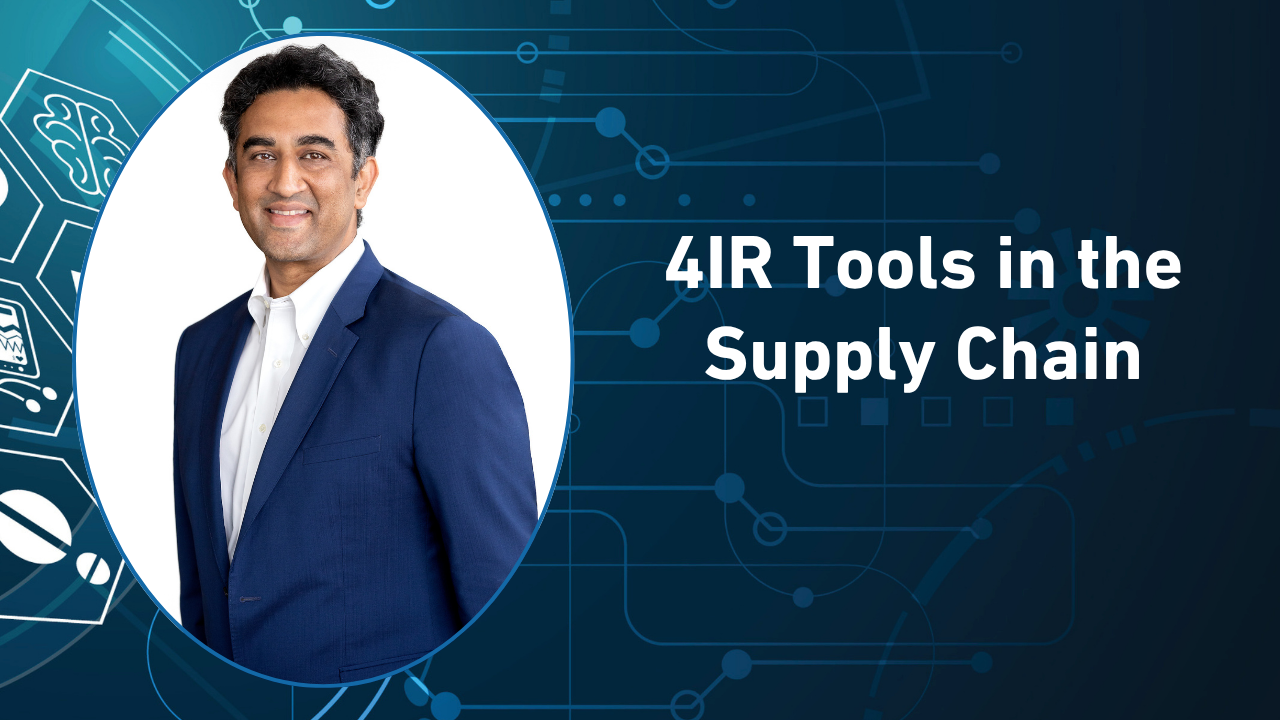
A conversation with Kenco’s Tim McClatchy explores how pharmaceutical logistics providers are strengthening cybersecurity across manufacturer-to-home delivery networks, deploying AI to optimize operations, and adapting to evolving regulatory pressures shaping the future of healthcare supply chains.

By unifying data, workflows, and decision-making across partners, AI orchestration is enabling healthcare supply chains to move from reactive firefighting to proactive resilience—supporting faster responses, smarter tradeoffs, and more reliable patient care delivery.
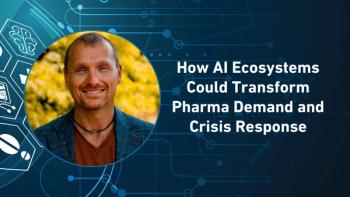
In the final part of his Pharma Commerce video interview, Joe Hudicka, entrepreneur and supply chain expert, outlines how real-time AI signal sharing across supply chain partners can help pharma companies anticipate demand shifts, reduce shortages, and respond faster to pandemics and geopolitical disruptions.
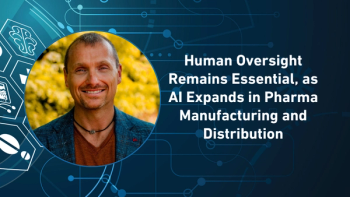
In the third part of his Pharma Commerce video interview, Joe Hudicka, entrepreneur and supply chain expert, explains why independent verification, validation, and human decision-making must stay central, as AI accelerates data processing and operational workflows across pharma supply chains.
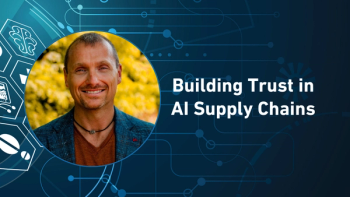
In the second part of his Pharma Commerce video interview, Joe Hudicka, entrepreneur and supply chain expert, notes that in order to reduce risk and accelerate adoption, supply chain leaders can begin applying AI to machine-generated data—such as IoT sensor outputs—where insights improve performance without raising concerns about data ownership, security, or competitive exposure.
In today’s Pharma Pulse, the AAP defies federal vaccine cuts, Morris & Dickson scales its specialty footprint, and Insilico Medicine targets cardiometabolic health with a new partnership.

Traditional market access practices are being transformed by an increasingly rocky landscape of rebate, discount, and direct-distribution practices, but artificial intelligence may clear the pathways to profitability.

As safety data grows in scale and complexity, AI-powered pharmacovigilance is emerging as a strategic imperative—helping drugmakers improve detection, reduce risk, and strengthen commercial performance.

AI-powered control towers and digital twins are emerging as essential tools to prevent costly supply chain failures and restore operational reliability.
In today’s Pharma Pulse, new trials confirm AI chatbots are a successful and sustainable tool for increasing pneumococcal vaccine uptake among older adults and much more.

This guide outlines a proven framework, spanning process, people, and platform, to help healthcare innovators scale AI with compliance, collaboration, and clinical impact in mind.

How next-generation AI-driven traceability hubs can transform pharmaceutical serialization from a compliance requirement into a business advantage, while enabling real-time supply chain visibility, faster issue resolution, and greater operational efficiency across the global drug distribution network.
This episode of Pharma Pulse covers Alkermes’ acquisition of Avadel Pharmaceuticals to expand its portfolio, BioNTech’s public exchange offer for CureVac to strengthen its mRNA pipeline, and a new report revealing how US medical device manufacturers are adopting digital-first models to boost compliance and patient engagement.
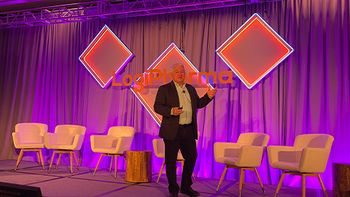
Bayer’s Luiz Barberini highlights how artificial intelligence is transforming supply chain operations, while emphasizing the irreplaceable value of trust, transparency, and human relationships.

Ways to address limitations while also enhancing the decision-making process.

In order to succeed in today’s outcomes-driven healthcare landscape, pharmaceutical companies must move from traditional sales models to strategic, measurable partnerships with integrated delivery networks (IDNs).

Chip Parkinson, CEO, GiftHealth, explains how AI, real-time data, and closer payer collaboration are driving the next phase of growth and efficiency in specialty pharmacy.

Will Robinson, program director, LogiPharma, explains how artificial intelligence and sustainability are driving a clear shift in priorities across the pharmaceutical supply chain.

How artificial intelligence tools are helping to optimize the pharmaceutical transport process.

How data-driven insights can help pharma companies balance their revenue management and innovation strategies—including resource allocation, pricing, and market access.

Taking stock of today's gains and tomorrow's potential for generative artificial intelligence in reshaping the industry.

Despite challenges surrounding communication overload, drug shortages, and cybersecurity risks, this term is revolutionizing medication management and patient care through the use artificial intelligence and predictive forecasting.
Advertisement
Advertisement
Trending on Pharmaceutical Commerce
1
How Precision and Share of Answer Will Reshape Pharma Marketing
2
How Lanes and Duration Shape Cold Chain Packaging Selection
3
Smart Locks, Escorts or Parcel? Matching Security to the Shipment
4
Supply Chain Visibility Needs Context Before AI, Says PAXAFE’s Mark Talens
5