


Legal & Regulatory
Latest News
Advertisement
Latest Videos
Podcasts
Advertisement
More News

The move adds new tension to US-Canada trade relations under the USMCA and raises questions about pending pharmaceutical import policies.
Kala Shankle, JD, HDA’s vice president of regulatory affairs, shares that as DSCSA traceability requirements take full effect, distributors and trading partners are preparing for long-term gains in supply chain security, recall efficiency, and counterfeit prevention.

The company’s new 400,000-square-foot facility in Elkton will boost small molecule manufacturing, create hundreds of jobs, and strengthen US innovation and supply chain resilience.
Kala Shankle, JD, HDA’s vice president of regulatory affairs, describes how FDA officials are signaling a balanced enforcement approach when it comes to DSCSA enforcement, expecting compliance efforts and documentation, but also recognizing that perfection will take time.
Kala Shankle, JD, HDA’s vice president of regulatory affairs, details that after a year of steady progress, manufacturers and distributors report over 97% data accuracy under DSCSA traceability requirements, marking a major milestone in supply chain interoperability and signaling confidence ahead of the November compliance deadline.
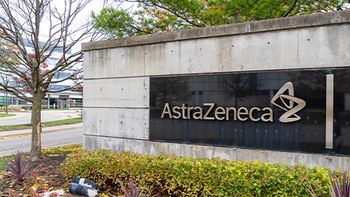
The $445 million expansion of AstraZeneca’s Coppelsite will boost global production capacity for Lokelma, enhance local job growth, and strengthen the company’s US manufacturing footprint amid industry-wide onshoring trends.
Kala Shankle, JD, HDA’s vice president of regulatory affairs, describes how at this year’s seminar, attendees emphasized pragmatic approaches to achieving full compliance while anticipating upcoming FDA rules that could reshape wholesale and 3PL licensure standards across the pharma supply chain.

A planned 100% tariff on branded and patented drugs from Singapore is being postponed as US and Singapore officials explore potential exemptions.
In the third part of her Pharma Commerce video interview, Linda Malek, JD, partner at Crowell & Moring, explains how healthcare organizations can harmonize both approaches by prioritizing fairness, transparency, and adaptable systems.

In the second part of her Pharma Commerce video interview, Linda Malek, JD, partner at Crowell & Moring, notes that by bringing regulators and innovators together, regulatory sandboxes could help US healthcare organizations test and refine AI tools responsibly, which allows oversight agencies to keep pace with rapid technological change.

The fallout is impacting partners Scholar Rock and Regeneron, both of whom have pending regulatory applications tied to the facility.

The global generics maker’s new Florida site will produce more than 25 critical respiratory medicines, create over 200 jobs, and reinforce domestic manufacturing and drug security.

The new Albemarle County site—reportedly the largest investment in AstraZeneca’s history—will focus on API and ADC production, create 3,600 jobs, while strengthening US pharma supply chain resilience.

The appellate court upheld Medicare’s authority to negotiate lower drug prices under the Inflation Reduction Act, following similar rulings against AstraZeneca, Bristol Myers Squibb, and Novartis.

As AI adoption accelerates across life sciences, Shawn Opatka, VP and GM of Honeywell Life Sciences, and Linda Malek, JD, partner at Crowell & Moring, discuss how regulatory expectations and federal initiatives—like the White House AI Action Plan—are shaping the technology’s future role in pharma quality, traceability, and healthcare systems.

The investment will establish a new hub overseeing contract manufacturing across India and expand Lilly’s global supply of medicines for Alzheimer’s, diabetes, obesity, and cancer, amid shifting US trade and tariff policies.

Advice for pharma distributors and dispensers on what they should do now in order to solidify a secure supply chain.
This episode of Pharma Pulse covers the FDA’s quiet approval of the first generic mifepristone tablet, Takeda’s decision to discontinue cell therapy research programs, and SciSafe’s expansion of biopharma storage capacity with a new East Brunswick, New Jersey facility.
This episode of Pharma Pulse covers the potential ramifications of a federal government shutdown on FDA operations, Aetna’s newly announced 2026 Medicare Advantage offerings, and new research showing maternal and child mortality rates in the US remain higher than in most high-income nations.
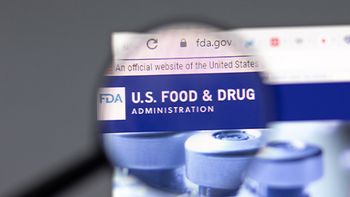
Following Congress’ failure to pass funding measures, FDA announced it will continue only essential public health and safety functions. This amid a pause on imposing 100% tariff rates.

How cell and gene therapy developers can lessen the chances of receiving FDA complete response letters through the use of proactive chemistry, manufacturing, and controls strategies.
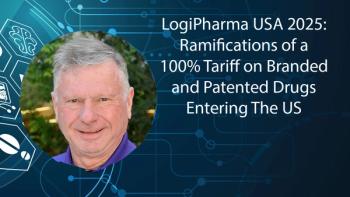
Dave Malenfant, healthcare supply chain expert, discusses the ramifications of a 100% tariff on branded and patented drugs entering the US.

At the conference’s milestone 20th anniversary event in Boston, experts unpacked the final stages of DSCSA implementation, highlighting pharmacy compliance challenges, state-level variability, and the role of technology in securing the pharmaceutical supply chain.
How is AI solving pharma's speed-to-market challenge?
This episode of Pharma Pulse covers the Trump administration’s 100% tariff on branded drug imports, new research linking pediatric influenza to neurological complications amid vaccination gaps, and AbbVie’s FDA submission for tavapadon, a potential new treatment for Parkinson’s disease.
Advertisement
Advertisement