



Market Access
Latest News
Advertisement
Latest Videos





Podcasts
Advertisement
More News

New Benefit 360 and Direct Fund models aim to bridge the gap between clinical eligibility and employer-sponsored coverage.

Workflow alignment, e-prescribing integration, and behavior change strategies are critical to reducing friction across the direct-to-patient ecosystem.
In today's Pharma Pulse, the FDA grants expanded approval for Imcivree, while new research highlights how optimizing pharmacy technician roles can significantly boost vaccine access and uptake.

Jordan Armstrong outlines how adaptable DTP programs can reduce barriers and accelerate patient access to therapy.
In today’s Pharma Pulse, the FDA expands a key biologic approval for pediatric patients, and new research highlights the success of pharmacist-led testing in rural communities.
Kroger will offer the Zepbound KwikPen at its participating retail pharmacies.
In today’s Pharma Pulse, Eli Lilly issues a safety warning and SteinCares enters a licensing agreement with Shilpa Biologicals to expand biosimilar access in Latin America.
In today’s Pharma Pulse, the FDA launched a unified monitoring system to enable real-time adverse event reporting, and direct-to-employer drug purchasing models are emerging as companies look to bypass traditional intermediaries.

In today’s Pharma Pulse, the FDA approved Wellcovorin as the first therapy for an ultra-rare neurological disorder, and disparities in OTC naloxone access persist despite declining retail prices.
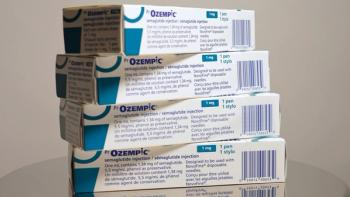
Hims & Hers will offer branded semaglutide instead of compounded GLP-1 drugs.
In today's Pharma Pulse, Ipsen voluntarily withdraws tazemetostat due to safety signals, while the FDA approves deucravacitinib for active psoriatic arthritis.


The current rep model no longer fits. The rep of the future is a strategist, a data-enabled connector, and a trusted ally in improving patient care.
The FDA granted a rapid 55-day approval for J&J’s combination of teclistamab and daratumumab hyaluronidase-fihj for multiple myeloma treatment.

Eton Pharmaceuticals reached its long-held goal of ten rare disease commercial products, acquiring the US rights to Hemangeol, the only FDA-approved treatment for infantile hemangioma.
In today's Pharma Pulse, the FDA expands the pediatric indication for Juxtapid to treat rare homozygous familial hypercholesterolemia, while Novo Nordisk announces a major €432 million investment in its Irish facility to scale global oral GLP-1 production.
In today’s Pharma Pulse, the FDA grants a lightning-fast approval for Boehringer’s lung cancer therapy under its new priority program, while CMS Administrator Mehmet Oz launches a sweeping offensive against fraudulent billing.

A guide to how the IRA is reshaping Medicare Part D, price negotiations, manufacturer liability, and pharmacy operations, along with what it means for access, adherence, and commercial strategy.

CMS’s CY 2027 Medicare Advantage rates signal mounting cost pressure, setting the stage for tighter benefits, tougher contracting, and heightened access scrutiny in the months ahead.
From new formulations and vial formats to retailer expansion and pricing pressure, evolving GLP-1 strategies are transforming distribution models, reimbursement dynamics, and long-term supply planning.

The company is significantly lowering the US list prices for its popular weight loss and diabetes GLP-1 drugs, signaling a broader shift in pricing strategy as competition intensifies and access pressures grow.
In today’s Pharma Pulse, Johnson & Johnson commits over $1 billion to a new biomanufacturing site in Pennsylvania, while Hims & Hers enters a $1.15 billion agreement to acquire Australian telehealth leader Eucalyptus.
A policy change allowing approval of some new drugs based on one adequate and well-controlled study could accelerate development timelines, while raising questions about evidentiary standards and downstream supply chain planning.

A 2026 industry survey finds mounting pressure from PBMs, federal pricing reforms, and compliance scrutiny, as manufacturers increase automation and AI investment to manage expanding gross-to-net exposure.
Advertisement
Advertisement
Trending on Pharmaceutical Commerce
1
Logipharma USA 2026: Building Resilient Supply Chains at Scale
2
How Distribution Is Evolving for Today's Targeted Therapies
3
Cardinal Health, McKesson Extend CVS Distribution Deals to 2032
4
Q&A: Software's Next Role In Pharma Supply Chains
5