




Market Access
Latest News
Advertisement
Latest Videos






Podcasts
Advertisement
More News

USP's Annual Drug Shortages Report reveals a sharp rise in product discontinuations, driven by unsustainable generic pricing, upstream geographic concentration, and manufacturing complexity.

After adding 160 more drugs, TrumpRx tops 800 prescription offerings. Here's what the latest MFN-driven expansion means for pricing and access.
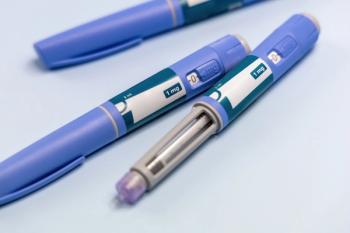
A new CMS demonstration launching July 1 will offer eligible Part D beneficiaries access to branded obesity drugs at a $50 copay. Here's what manufacturers, payers, and pharmacies need to know.
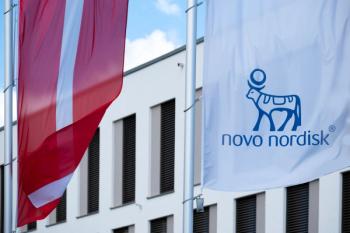
Novo Nordisk's UAE launch of the Wegovy pill signals a new phase of oral GLP-1 commercialization, with major implications for pharma distribution, channel strategy, and international market access.
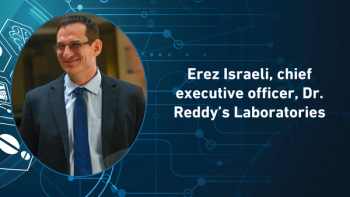
Erez Israeli explains how Dr. Reddy's approached commercial readiness for its generic semaglutide launch in Canada and what vertical integration in peptide manufacturing means for the GLP-1 market.
Cencora will support US distribution of Kite's Yescarta and Tecartus, reducing administrative burdens and expanding CAR T-cell therapy access at authorized treatment centers.
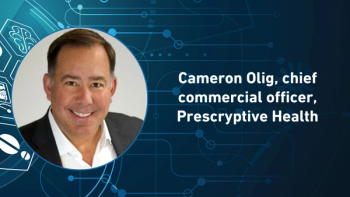
Cameron Olig explains how transparency and direct access models can help pharma close the gap between drug pricing, distribution and the patient.
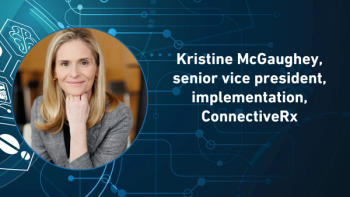
Early launch planning, streamlined patient access, and measured AI adoption help specialty therapy programs accelerate treatment and sustain success.

The PBM’s updated commercial formularies reflect negotiated pricing progress with manufacturers.

As specialty drug launches grow, pharma leaders are rethinking patient access as a core commercialization strategy to reduce delays and improve therapy starts.

Generic drug shortages may seem sudden, but they stem from ongoing pressures in manufacturing, pricing, and global supply chains, especially in hospitals.

Cash pay is re-emerging as biopharma brands rethink insurance barriers, patient access, and affordability in a fragmented payer market.

Tommy Bramley explains how real-world evidence is reshaping how specialty pharma demonstrates value — from trial design to payer negotiations and patient outcomes.

High copays, restrictive networks, and travel distances leave many rural Americans facing steep barriers to prescription access.

Rahul Mittal explains how execution infrastructure can help generics manufacturers improve hospital access, reduce delays, and strengthen coordination.

The expansion of TrumpRx will increase price transparency and purchase options of generic drugs for cash-paying patients.


Jeremy Richardson explains how direct-to-patient models increase drug pricing transparency and demonstrate value.
In today’s Pharma Pulse, FDA leadership changes with Makary’s resignation, Lilly shares new Zepbound and GLP-1 data, and new study data on prior authorization reform outlook.

For drugs already on the market, there may be little companies can do to limit business impact; however, for new development drugs, there are some critical considerations.

Angelini Pharma is acquiring Catalyst Pharmaceuticals in a $4.1 billion transaction that expands its presence in the US rare disease market and adds a portfolio of neuromuscular and neurological therapies.
In this week's Pharma Pulse, Eli Lilly opens its new genetic medicine plant, Bayer acquires Perfuse Therapeutics, and more.

As specialty drug costs rise, employers and sponsors must balance alternative funding programs and in-benefit optimization to achieve sustainable savings without disrupting patient care.

GoodRx now offers oral Ozempic as an alternative to injectable GLP-1 therapies.

As cell and gene therapies move beyond ultra-rare disease indications into broader patient populations, the commercialization infrastructure built around them is due for a fundamental redesign.
Advertisement
Advertisement
Trending on Pharmaceutical Commerce
1
How Rebate Timing Distorts a Pharmacy's 340B Books
2
EU Pharma Reform: Strategic Implications for US Drugmakers
3
White House Extends MFN Pricing to Every State Medicaid Program
4
Pharma Pulse: Behind the Scenes of LogiPharma USA 2026
5