

Supply Chain
Latest News
Advertisement
Latest Videos






Advertisement
More News

The thermal packaging company not only bolsters its APAC presence—it also grows its influence in the life sciences’ temperature-monitoring logistics sector.

The CRDMO’s acquisition of the Baltimore plant is expected to boost its biologics presence.
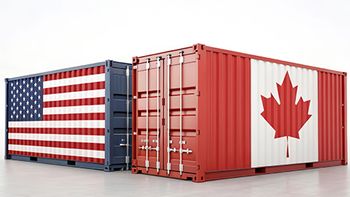
The updated tax on Canadian imports will rise from 25% to 50%, taking effect March 12.

This link in the pharma supply chain is undergoing a major transformation propelled by technological advancements, regulatory changes, and evolving market dynamics, requiring industry leaders to adopt innovative strategies in order to remain competitive.
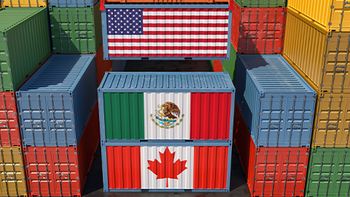
The US president delays tariffs that comply with the 2020 USMCA for one month, with reciprocal tariffs still expected to go into effect by April 2.

The agreement—powered by YASKAWA's Maholo robot—aims to address challenges in production and commercialization while offering access to academic and startup communities.
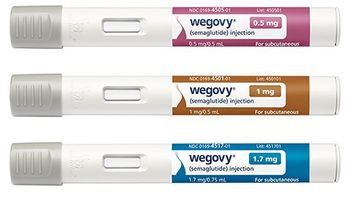
NovoCare will offer the GLP-1 injection to cash-paying patients for a discounted $499 per month.

The 25% tax on various imports have gone into effect, resulting in retaliatory tariffs from the impacted nations.

After an initial 30-day pause, the US president plans to re-enact the import taxes on the nation’s trading partners—while also doubling the 10% tariff on China.

Tracy Lopez uncovers the fundamentals pertaining to third-party logistics providers.

In the third part of his video interview with Pharma Commerce Editor Nicholas Saraceno, Geoffrey Joyce, PhD, director of health policy at the Leonard D. Schaeffer Center for Health Policy & Economics at USC, describes how the tariffs can affect price or competition within the branded drug space.

The news comes amid the possibility that President Trump imposes a 25% tariff on pharmaceuticals, which could encourage manufacturers to begin reshoring their services.
In the second part of his video interview with Pharma Commerce Editor Nicholas Saraceno, Geoffrey Joyce, PhD, director of health policy at the Leonard D. Schaeffer Center for Health Policy & Economics at USC, details the factors that could makes the generic drug market susceptible to supply chain disruptions.
In the first part of his video interview with Pharma Commerce Editor Nicholas Saraceno, Geoffrey Joyce, PhD, director of health policy at the Leonard D. Schaeffer Center for Health Policy & Economics at USC, outlines how the tax on goods coming from China and potential 25% tariff on pharmaceuticals could influence generic drug prices.

Patients who utilize the self-pay pharmacy will also be receiving savings on select sizes.

The injection for the treatment of psoriatic arthritis—among other indications—is a biosimilar to Stelara.

James D. Chambers, PhD, MPharm, MSc, professor of medicine at the Tufts Medical Center Institute for Clinical Research and Health Policy Studies, dives into why biosimilars contribute to a reduction in cost and increase in patient access, while highlighting challenges to adoption.
In the final part of her video interview with Pharma Commerce Editor Nicholas Saraceno, Laura Johnson, senior director of sales, life sciences, Loftware, comments on other concepts that are powering the company’s 2025 Supply Chain Trends Report, and how they could possibly change in 2026.

FDA approves an expanded access program that would offer patients an alternative to Merck’s bladder cancer medication.
In the third part of her video interview with Pharma Commerce Editor Nicholas Saraceno, Laura Johnson, senior director of sales, life sciences, Loftware, discusses why the demand for supply chain transparency is continuing to gain momentum, while also explaining the role that track-and-trace initiatives are playing in that effort.

The timing for the potential tax is yet to be determined, as the industry awaits to see the impact it could bring.

In the first part of her video interview with Pharma Commerce Editor Nicholas Saraceno, Laura Johnson, senior director of sales, life sciences, Loftware, comments on why she believes supply chain collaboration is becoming increasingly critical today.

In the final part of his video interview with Pharma Commerce Editor Nicholas Saraceno, Jim Shehan, chair of the FDA regulatory practice at Lowenstein Sandler, explains how he anticipates the evolving regulatory environment impacting the future of pharmaceutical development, especially in the context of emerging technologies like AI.

In the final part of her video interview with Pharma Commerce Editor Nicholas Saraceno, Jenna Dale, director of client relations at Cencora, describes why these pharma supply chain stakeholders are vital in understanding meaningful clinical outcomes.

These taxes on goods—with the potential to take effect in weeks or months—will vary by country, but rates could depend on regulations, industry subsidies, and other factors.
Advertisement
Advertisement
Trending on Pharmaceutical Commerce
1
How an FTZ Builds More Flexibility Into Pharmaceutical Inventory Strategy
2
Q&A: Kerem Tokel on Pharma Cargo Theft Hotspots and the Shift to Outbound Diversion
3
Why the Best Drug Launches Are Built to Adapt
4
ELPRO CEO on How Biologics Raised the Stakes in Cold Chain Handling
5