The latest news for pharma industry insiders.
The latest news for pharma industry insiders.

The CRDMO’s acquisition of the Baltimore plant is expected to boost its biologics presence.
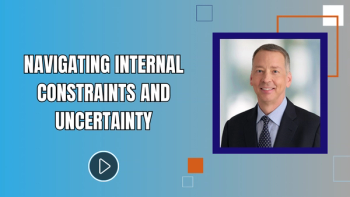
In the second part of his video interview with Pharma Commerce Editor Nicholas Saraceno, Brad Stewart, BDO’s national life sciences co-leader, outlines the internal constraints that CFOs are reporting as their biggest manufacturing obstacle, along with other hurdles they are encountering.
The latest news for pharma industry insiders.

The partnership focuses on enhancing the patient experience by providing greater affordability and access to specialty meds.
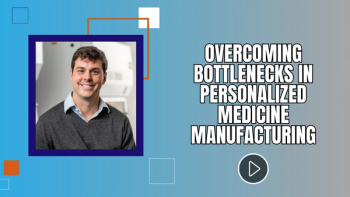
In the second part of his video interview with Pharma Commerce Editor Nicholas Saraceno, Jason C. Foster, CEO of Ori Biotech, comments on the primary factors causing manufacturing bottlenecks in the space, along with how the industry can overcome them in order to scale up production.
The latest news for pharma industry insiders.
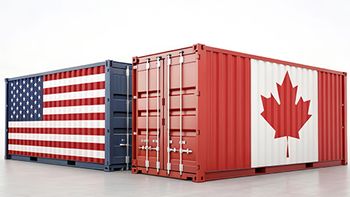
The updated tax on Canadian imports will rise from 25% to 50%, taking effect March 12.

In the first part of his video interview with Pharma Commerce Editor Nicholas Saraceno, Jason C. Foster, CEO of Ori Biotech, offers his perspective on the state of CGTs, along with their potential for transforming medicine.
The latest news for pharma industry insiders.

This link in the pharma supply chain is undergoing a major transformation propelled by technological advancements, regulatory changes, and evolving market dynamics, requiring industry leaders to adopt innovative strategies in order to remain competitive.
In the first part of his video interview with Pharma Commerce Editor Nicholas Saraceno, Brad Stewart, BDO’s national life sciences co-leader, discusses how the tariffs impact the reshoring of manufacturing services, alongside the strategies that pharma leaders can use in order to start shoring up their supply chains.
The latest news for pharma industry insiders.
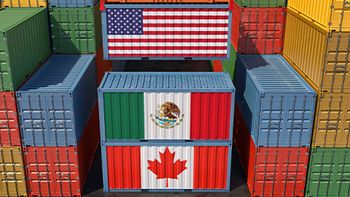
The US president delays tariffs that comply with the 2020 USMCA for one month, with reciprocal tariffs still expected to go into effect by April 2.
In the final part of his video interview with Pharma Commerce Editor Nicholas Saraceno, Tom Dorsett, CEO, RazorMetrics, describes how the software company’s solution can help deliver better patient outcomes and substantial savings for healthcare plans, employers, and members alike.
The latest news for pharma industry insiders.

The agreement—powered by YASKAWA's Maholo robot—aims to address challenges in production and commercialization while offering access to academic and startup communities.

In the third part of his video interview with Pharma Commerce Editor Nicholas Saraceno, Tom Dorsett, CEO, RazorMetrics, shares the strategies that should be taken to overcome health information exchange blockages.
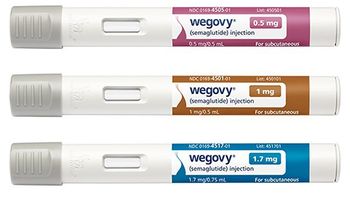
NovoCare will offer the GLP-1 injection to cash-paying patients for a discounted $499 per month.
Ron Lanton, Partner, Lanton Law, examines the legal and economic impacts of reciprocal tariffs on the pharma supply chain, including potential disruptions and increased drug costs.
The latest news for pharma industry insiders.

The 25% tax on various imports have gone into effect, resulting in retaliatory tariffs from the impacted nations.

In the final part of his video interview with Pharma Commerce Editor Nicholas Saraceno, Geoffrey Joyce, PhD, director of health policy at the Leonard D. Schaeffer Center for Health Policy & Economics at USC, describes how PBMs financially benefit from generics, and why a completely open generic market powered by cash would be beneficial.
The latest news for pharma industry insiders.

Why meaningful content must meet the right audience.
In the fourth part of his video interview with Pharma Commerce Editor Nicholas Saraceno, Geoffrey Joyce, PhD, director of health policy at the Leonard D. Schaeffer Center for Health Policy & Economics at USC, comments on health policy developments that the pharma supply chain should be aware of.
The latest news for pharma industry insiders.

After an initial 30-day pause, the US president plans to re-enact the import taxes on the nation’s trading partners—while also doubling the 10% tariff on China.

Tracy Lopez uncovers the fundamentals pertaining to third-party logistics providers.