


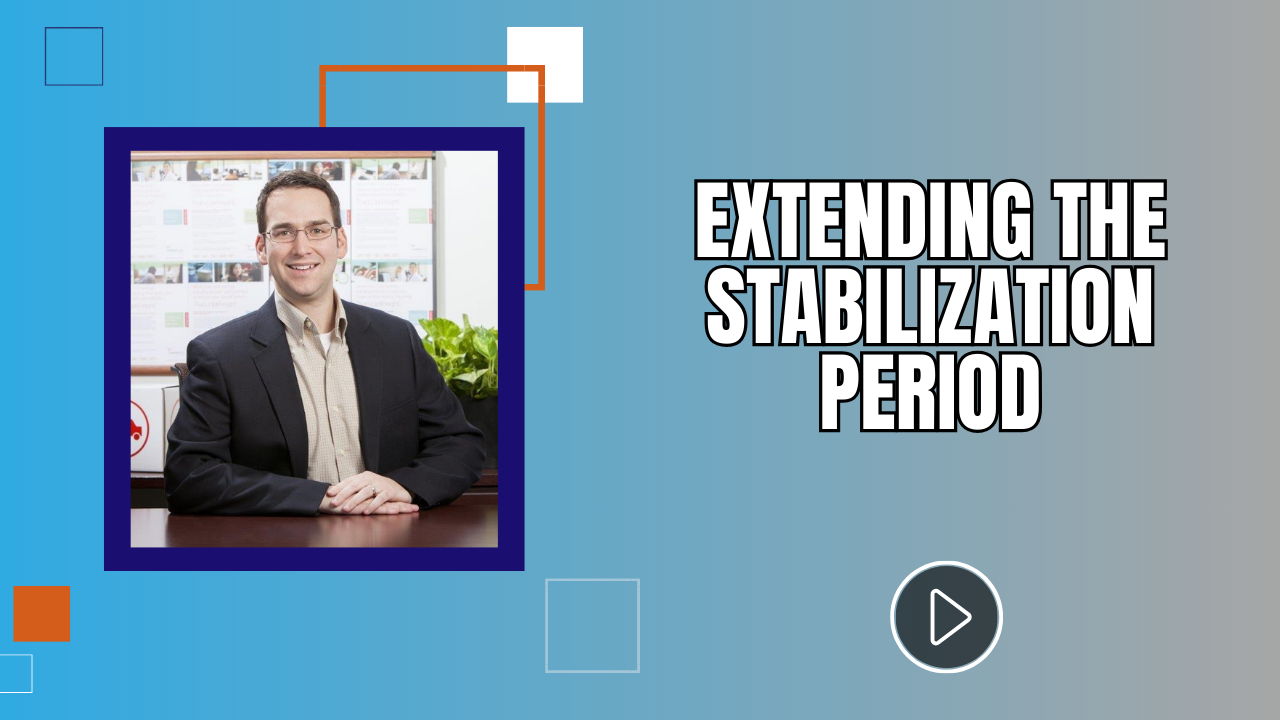


Will the looming changes address the concerns of the patient assistance community?
Will the looming changes address the concerns of the patient assistance community?

In this part of his Pharma Commerce video interview, Michael Rowe, Two Labs’ Senior Director of DSCSA/Serialization Compliance Services, discusses the state of affairs surrounding the Drug Supply Chain Security Act, along with opportunities for improvement.

In an interview with Pharma Commerce Editor Nicholas Saraceno, Michael Rowe, Two Labs’ Senior Director of DSCSA/Serialization Compliance Services, offers a brief overview of the Drug Supply Chain Security Act.

Why they are a game changer, and ways to a adapt to a new era of state privacy regulations.

With the standard constantly evolving across the pharma sector, the latest version can help bring benefits to the regulatory process.
If Congress doesn't act soon, it could result in more health inequities.

These advancements continue to act as a key driver in helping to boost the security, efficiency, and innovation of global industries, include pharma.

In an interview with Pharma Commerce Associate Editor Don Tracy, Ron Lanton, Partner, Lanton Law offers his thoughts on the recent Federal Trade Commission (FTC) repeal of non-compete agreements, and how it could effect the pharma industry.

Study explores how the Inflation Reduction Act’s Drug Price Negotiation Program and its maximum fair prices impact incentives for investments in post-approval activity.

The partnership revolves around augmenting regulatory compliance, along with drug sampling distribution and compliance.

Citing a need for more Chemistry Manufacturing and Controls information, Abeona intends to address the requirements quickly.

Approval comes amid positive results of a single-arm trial, showing a complete response rate of 77% in patients with Bacillus Calmette-Guérin-unresponsive non-muscle invasive bladder cancer.

Technology designed to effectively address blood clots by combining capabilities of larger devices with smaller catheters.

Approval was based on positive data from Takeda’s Phase III VISIBLE 2 study, which displayed long-term clinical remission in approximately half of patients with Crohn disease receiving Entyvio.

Data displayed rapid and sustained B-cell depletion, with 97.2% of study patients with relapsing and primary progressive multiple sclerosis experiencing no relapses.

Data from the Phase III APPLAUSE-IgAN study showed a 38.3% reduction in proteinuria in patients treated with Fabhalta for IgA nephropathy compared to placebo.

Phase IIa clinical trial of SPG60 for Fragile X syndrome offers hope for disease with no current FDA-approved treatment options.

A cohort study digs into whether there is an improvement in overall survival or quality of life within five years of the FDA granting accelerated approval to oncology drugs.

Cross-sectional study explores the impact of this monumental Supreme Court ruling.

Exploring how current and future legislation may impact the role of pharmacy benefit managers (PBMs).

A study investigates how a New Mexico law can impact patients’ out-of-pocket costs surrounding mental health and substance use disorder medications.
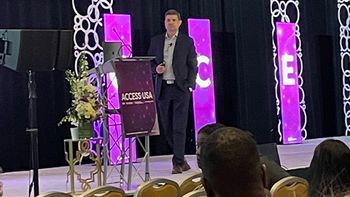
Conference’s opening session addresses the evolving landscape of healthcare coverage and accessibility.

Xhance is the first medication indicated for the treatment of chronic rhinosinusitis without nasal polyps to be approved by the FDA.

Approval was based on positive data from the Phase III MARCH study across a range of genetic progressive familial intrahepatic cholestasis types.

A proposed Senate bill is intended to protect citizens’ private health and genetic information.