

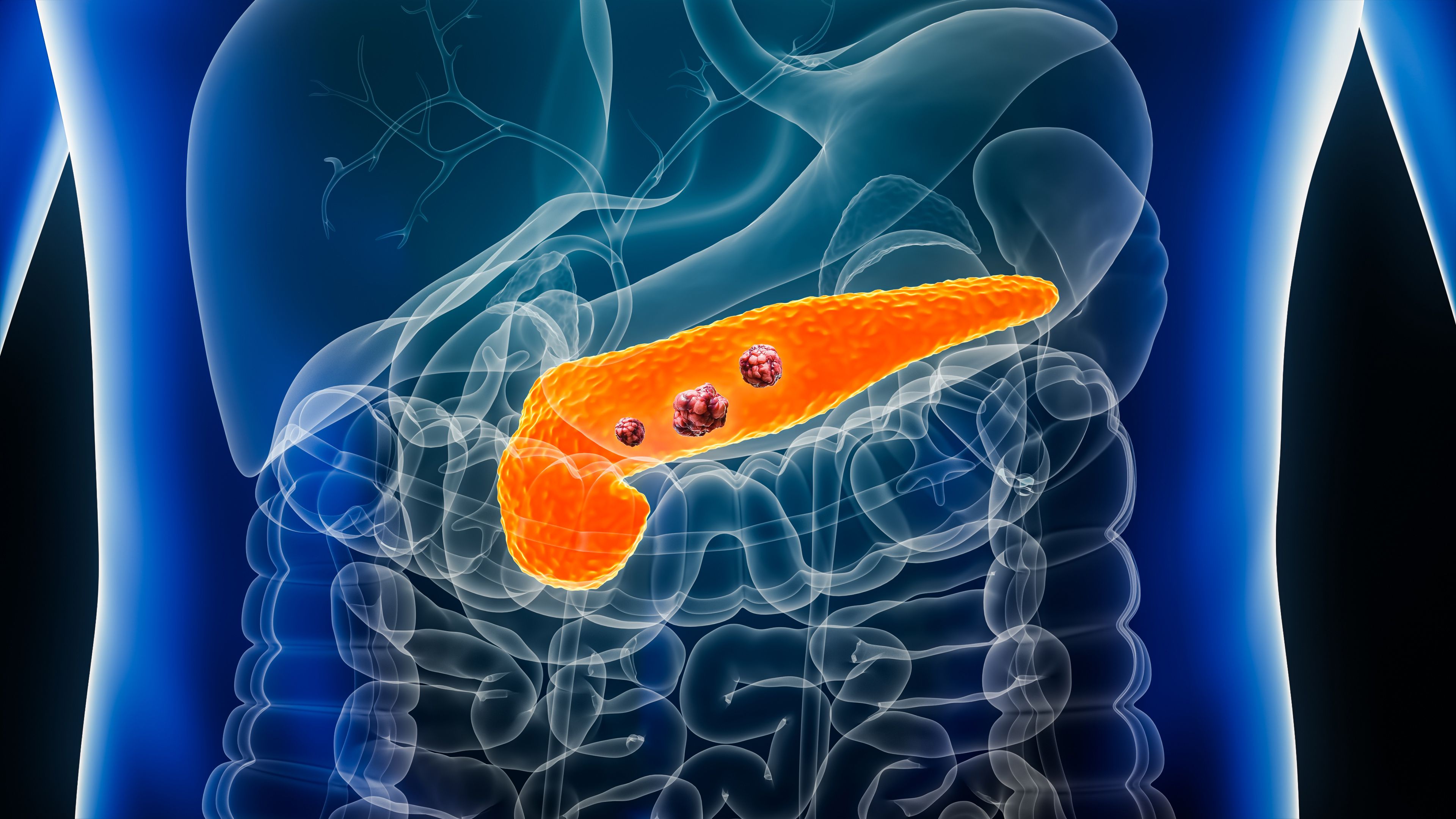


BXCL701 combined with Keytruda (pembrolizumab) is being evaluated for patients with metastatic castration-resistant prostate cancer with small cell neuroendocrine and adenocarcinoma phenotypes.

BXCL701 combined with Keytruda (pembrolizumab) is being evaluated for patients with metastatic castration-resistant prostate cancer with small cell neuroendocrine and adenocarcinoma phenotypes.

In clinical trials, bepirovirsen was found to recognize the RNA used by hepatitis B virus to replicate in infected liver cells.

Eohilia, a corticosteroid developed specifically to treat eosinophilic esophagitis, is comprised of a novel formulation of budesonide taken twice daily for 12 weeks in patients 11 years of age and older.

Technavio analysis notes that an increase drug patent expirations could be a contributing factor.
The FDA placed a full clinical hold on magrolimab for hematologic cancers after data showed the drug in combination with azacitidine plus Venclexta increased the risk of death related to infections and respiratory failure in patients with acute myeloid leukemia.

Phase III CheckMate -77T trial data show statistically significant improvements in event-free survival with Opdivo (nivolumab) plus chemotherapy followed by surgery and adjuvant Opdivo in the treatment of resectable stage IIA to IIIB non-small cell lung cancer.

BioNTech SE and Duality Biologics Co's BNT325/DB-1305 is a next-generation antibody-drug conjugate that targets the TROP2 protein, which is overexpressed across various tumor types.

Arexvy was the first FDA-approved respiratory syncytial virus (RSV) vaccine to prevent lower respiratory tract disease caused by RSV in individuals 60 years of age and older.

A cohort study investigates the impact of Senate Bill 2994A and answers the question: does the repeal of school-entry nonmedical vaccination exemptions result in a rise in school vaccinations?
UV1 is an off-the-shelf vaccine that has demonstrated a survival benefit in combination with ipilimumab (Yervoy) and nivolumab (Opdivo) in patients with unresectable malignant pleural mesothelioma.
Allarity reached an agreement with Novartis in 2018 to license dovitinib, a small molecule multi-tyrosine kinase inhibitor under evaluation for the treatment of renal cell carcinoma.
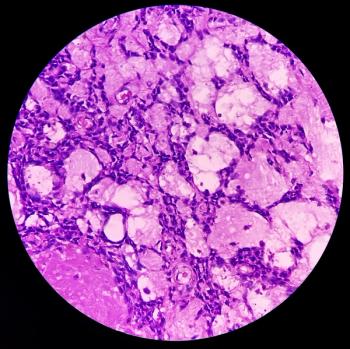
Treatment with the novel engineered T-cell receptor produced an overall response rate of about 39% in patients with heavily pretreated synovial sarcoma.

BST02 is a novel cell-based immunotherapy currently being evaluated in a Phase I trial for the treatment of all types of liver cancer.

Duplicate rebates have resulted in revenue leakage for manufacturers.

A look at the challenges that need to be addressed during the FDA stabilization period.
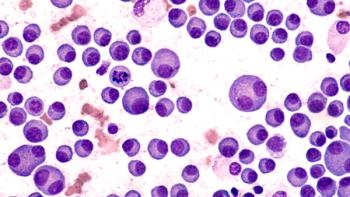
FDA to evaluate Darzalex Faspro with bortezomib, lenalidomide, and dexamethasone for induction and consolidation treatment and with lenalidomide for the maintenance treatment of adults newly diagnosed with multiple myeloma who are eligible for autologous stem cell transplant.

FDA to evaluate Padcev (enfortumab vedotin) with Merck’s Keytruda (pembrolizumab) for the first-line treatment of adults with previously untreated locally advanced or metastatic urothelial cancer.

New England Journal of Medicine study provides a breakdown of how hospitals—especially those that qualify for discounts under the federal 340B Drug Pricing Program—are able to make a profit off insurer pharmaceutical expenditures.

Breyanzi is a CD19-directed CAR T-cell therapy approved to treat multiple hematologic cancers.

Gammagard Liquid is now FDA-approved to treat neuromuscular disability and impairment in adults with CIDP; as a replacement treatment for primary immunodeficiency in patients aged 2 years and older; and as a maintenance treatment to improve muscle strength and disability in adults with multifocal motor neuropathy.

Cohort study aims to determine whether or not these regulatory changes in state government have helped reverse opioid mortality rates.
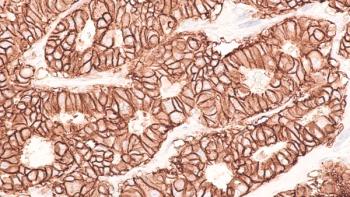
Trial data show Enhertu produced clinically meaningful and durable responses for a survival benefit in patients previously administered treatment for HER2-expressing metastatic solid tumors.

Concerns regarding hypoglycemia potentially linked to a counterfeit version of Ozempic come at a time in which reports have grown regarding the improper use of GLP-1 receptor agonists for the purpose of cosmetic weight loss.

Dupixent is now the first and only treatment option for eosinophilic esophagitis in patients aged 1 and older, weighing at least 15 kg.

Zynrelef was initially approved by the FDA for soft tissue or periarticular instillation to produce postsurgical analgesia for up to 72 hours following bunionectomy, open inguinal herniorrhaphy, and total knee arthroplasty.