Decision intelligence helps pharma unify small molecule and cell and gene therapy supply chains through AI-driven, automated decision-making.
Decision intelligence helps pharma unify small molecule and cell and gene therapy supply chains through AI-driven, automated decision-making.

AI-driven cold chain visibility is only as reliable as the data behind it, exposing gaps between compliance, monitoring, and true product conditions.
Live from Asembia AXS26, Kim Plesnarski shares what a best-in-class reimbursement and support model looks like.
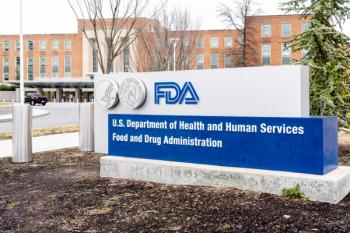
According to the Wall Street Journal, a source close to the White House said FDA commissioner Marty Makary "is done."

For drugs already on the market, there may be little companies can do to limit business impact; however, for new development drugs, there are some critical considerations.

Bill McElnea and Hinal Sharma discuss how the role of a specialty pharmacy will evolve in the next few years.

Live from Asembia AXS26, Austin Russian examines how specialty therapy launches are evolving.

Angelini Pharma is acquiring Catalyst Pharmaceuticals in a $4.1 billion transaction that expands its presence in the US rare disease market and adds a portfolio of neuromuscular and neurological therapies.
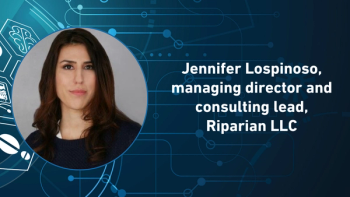
Jennifer Lospinoso shares how cell and gene therapy access models differ from normal specialty medications, and how the market will adapt in the next five years.

Will Shrank, MD, explains how the specialty pharma pipeline could pose access risks in the future.

Miranda Delatore and Megan Wetzel share their outlook on the future of specialty pharmacy.
In this week's Pharma Pulse, Eli Lilly opens its new genetic medicine plant, Bayer acquires Perfuse Therapeutics, and more.
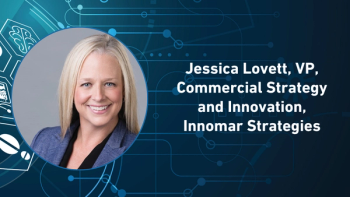
Jessica Lovett discusses specialty pharma commercialization timelines, and how the Canadian market is different from the US.

The facility opening corresponds with a new $4.5 billion capital commitment across two of Lilly's three sites in Lebanon, Indiana.

Tommy Bramley explains how real-world evidence can be leveraged to benefit patient outcomes in specialty pharma.

Live from Asembia AXS26, Austin Russian explains how access to rare disease treatments can be delayed.

Bill McElnea and Hinal Sharma discuss the evolving role of a specialty pharmacy.
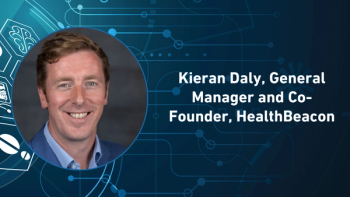
Kieran Daly explains how adherence and proof of use strategies improve commercial outcomes and the patient experience in specialty pharma.

As specialty drug costs rise, employers and sponsors must balance alternative funding programs and in-benefit optimization to achieve sustainable savings without disrupting patient care.
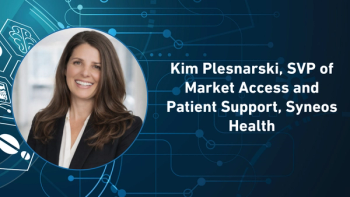
Kim Plesnarski explains what the biggest inefficiencies are in specialty pharma partnerships.
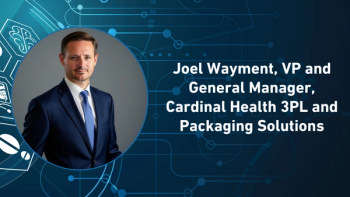
Joel Wayment discusses how the cold chain can be more sustainable.

GoodRx now offers oral Ozempic as an alternative to injectable GLP-1 therapies.
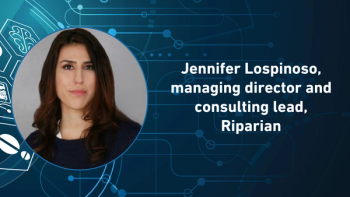
Jennifer Lospinoso explains how cell and gene therapies are reshaping specialty pharmacy commercialization.

As cell and gene therapies move beyond ultra-rare disease indications into broader patient populations, the commercialization infrastructure built around them is due for a fundamental redesign.
In this week’s Pharma Pulse, the launch of the Ember Cube 2, exclusive policy insights from Asembia AXS26, a record-breaking prescription spending outlook for 2026 and more.

CoverMyMeds' Miranda Delatore and Megan Wetzel discuss AI in prior auth and fixing specialty access bottlenecks upstream.

Will Shrank, MD, evaluates opportunities and challenges in specialty pharma over the next few years.
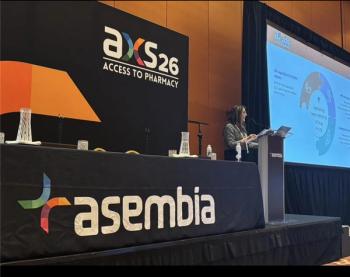
At Asembia AXS26, Dee Chaudhary broke down how shifting US drug pricing policy is tightening payer controls and changing pharmaceutical pricing and forecasting.
Live from Asembia AXS26, Jessica Lovett explains what real world evidence and data matters most in making decisions around specialty medicines.

Avalere Health analysts map the converging pressures reshaping the drug pricing and distribution landscape ahead of November.