


Business and Finance
Latest News
Advertisement
Latest Videos






Podcasts
Advertisement
More News

Jordan Armstrong, VP of Business Development at AssistRX, explains how companies can tailor direct-to-patient strategies into their commercialization plans.
Brok Vandersteen, VP of Business Development, AssistRX, explains how policy pressures push life sciences companies toward direct-to-patient model adoption.

Jay Bregman, founder and CEO of Andel, discusses how employers are managing rising costs for prescription benefits and how pharma companies are shifting their distribution patterns.
In today’s Pharma Pulse, the FDA expands a key biologic approval for pediatric patients, and new research highlights the success of pharmacist-led testing in rural communities.
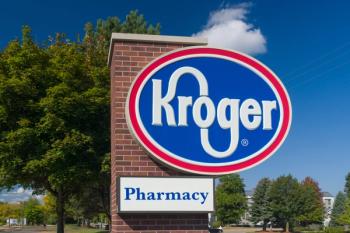
Kroger will offer the Zepbound KwikPen at its participating retail pharmacies.

Evaluate’s 2026 analysis finds that rare disease therapies are set for continued growth—potentially exceeding $400 billion in sales by 2032.
In today’s Pharma Pulse, Eli Lilly issues a safety warning and SteinCares enters a licensing agreement with Shilpa Biologicals to expand biosimilar access in Latin America.

Eli Lilly is investing $3 billion over the next decade to build a localized manufacturing and supply system in China.
In today’s Pharma Pulse, the FDA launched a unified monitoring system to enable real-time adverse event reporting, and direct-to-employer drug purchasing models are emerging as companies look to bypass traditional intermediaries.
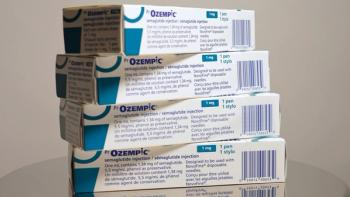
Hims & Hers will offer branded semaglutide instead of compounded GLP-1 drugs.

The FDA granted a rapid 55-day approval for J&J’s combination of teclistamab and daratumumab hyaluronidase-fihj for multiple myeloma treatment.

CVS Health and Google Cloud will launch Health100 this year, an AI-driven healthcare engagement platform.
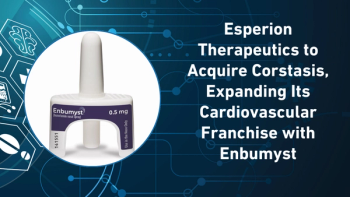
Esperion Therapeutics has entered into a definitive agreement to acquire Corstasis Therapeutics for $75 million upfront and up to $180 million in milestones, integrating Enbumys into its cardiovascular franchise.
In today’s Pharma Pulse, Antengene and UCB ink a $1.18 billion global deal for ATG-201 to target autoimmune diseases, while AI partnerships and Pharma 4.0 technologies accelerate drug development and manufacturing efficiency.

Eton Pharmaceuticals reached its long-held goal of ten rare disease commercial products, acquiring the US rights to Hemangeol, the only FDA-approved treatment for infantile hemangioma.

SpotSee and Controlant announced a collaboration to enhance pharmaceutical supply chain visibility using integrated monitoring devices and cloud-based indicators.
In today’s Pharma Pulse, the FDA grants priority review to a therapy for polycythemia vera, while Novo Nordisk receives expanded pediatric approval for its once-weekly growth hormone.
The FDA granted accelerated approval to Boehringer Ingelheim’s Hernexeos for first-line HER2-mutant NSCLC following a 44-day review under the National Priority Voucher Program.

A guide to how the IRA is reshaping Medicare Part D, price negotiations, manufacturer liability, and pharmacy operations, along with what it means for access, adherence, and commercial strategy.

Dan Chancellor, Norstella's vice president of thought leadership, examines how the patent cliff and persistent growth gaps are shaping pharma M&A strategy heading into 2026.

CMS’s CY 2027 Medicare Advantage rates signal mounting cost pressure, setting the stage for tighter benefits, tougher contracting, and heightened access scrutiny in the months ahead.
In the final part of his Pharma Commerce video interview, John Stanford, Incubate’s executive director, argues that while Medicare price controls may reduce federal spending, they have yet to meaningfully improve patient access—contending that true reform must address insurance design, out-of-pocket costs, and the long-term impact on life sciences innovation and investment.
In the third part of his Pharma Commerce video interview, John Stanford, Incubate’s executive director, shares how Incubate’s analysis of SEC filings reports dozens of halted research programs following the Inflation Reduction Act’s passage, while recent legislative changes tied to orphan drugs appear to be influencing renewed rare disease investment.
In the second part of his Pharma Commerce video interview, John Stanford, Incubate’s executive director, points out how uneven Medicare negotiation timelines between small molecules and biologics are influencing R&D and venture funding decisions, according to biotech investors advocating for legislative changes.

A policy change allowing approval of some new drugs based on one adequate and well-controlled study could accelerate development timelines, while raising questions about evidentiary standards and downstream supply chain planning.
Advertisement
Advertisement
Trending on Pharmaceutical Commerce
1
Cardinal Health, McKesson Extend CVS Distribution Deals to 2032
2
What to Watch at LogiPharma: Resilience, Practical AI and New Peer Formats
3
How the GLP-1 Boom Stress-Tests the Pharma Cold Chain
4
Doceree CEO: AI Should Extend the Field Force, Not Replace It
5