




Commercialization
Latest News
Advertisement
Latest Videos



Advertisement
More News
Roel van den Akker evaluates how blockbuster GLP-1s may shift broader commercialization trends.



The current rep model no longer fits. The rep of the future is a strategist, a data-enabled connector, and a trusted ally in improving patient care.
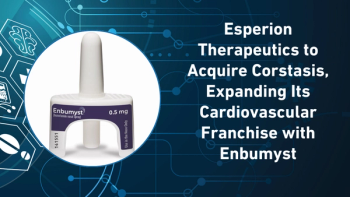
Esperion Therapeutics has entered into a definitive agreement to acquire Corstasis Therapeutics for $75 million upfront and up to $180 million in milestones, integrating Enbumys into its cardiovascular franchise.
In today’s Pharma Pulse, Antengene and UCB ink a $1.18 billion global deal for ATG-201 to target autoimmune diseases, while AI partnerships and Pharma 4.0 technologies accelerate drug development and manufacturing efficiency.
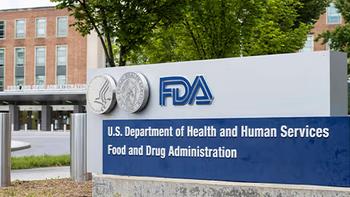
The FDA granted accelerated approval to Boehringer Ingelheim’s Hernexeos for first-line HER2-mutant NSCLC following a 44-day review under the National Priority Voucher Program.
In today’s Pharma Pulse, Johnson & Johnson commits over $1 billion to a new biomanufacturing site in Pennsylvania, while Hims & Hers enters a $1.15 billion agreement to acquire Australian telehealth leader Eucalyptus.
A policy change allowing approval of some new drugs based on one adequate and well-controlled study could accelerate development timelines, while raising questions about evidentiary standards and downstream supply chain planning.

The company’s latest preview report projects a guarded rebound for biopharma, as investor confidence returns and M&A activity accelerates.

As safety data grows in scale and complexity, AI-powered pharmacovigilance is emerging as a strategic imperative—helping drugmakers improve detection, reduce risk, and strengthen commercial performance.
In today’s Pharma Pulse, SOBI strengthens its gout franchise by acquiring Arthrosi Therapeutics for up to $1.5 billion, securing the Phase III asset pozdeutinurad, and much more.

Subject matter experts from Cencora and FuzeRx explore how modern commercialization models, digital-first pharmacy solutions, and closer provider partnerships are reshaping patient access and adherence across today’s complex therapeutic landscape.
In today’s Pharma Pulse, the University of Maryland expands its medical class to combat physician shortages and much more.

Commercialization expert Bill Roth outlines the critical need for "adaptive capacity," detailing how accelerating government regulation and massive patent cliffs are forcing a complete overhaul of commercial strategies across various markets.

When intelligence flows across clinical, access, and engagement channels, commercialization shifts from reactive to predictive, giving teams the real-time edge to win in a fast-moving market.

Lilly announced a new agreement with the Trump administration to expand access to its GLP-1 therapies, including Zepbound and orforglipron, offering the drugs to Medicare beneficiaries for $50 per month and through Medicaid programs starting in 2026.

Pharma’s push into direct-to-patient sales is reshaping the front end of drug distribution, but wholesalers like Cencora, McKesson, and Cardinal Health remain indispensable as the backbone of the industry’s regulated, specialty, and logistics infrastructure.

As the three models converge, expect a bigger role for sales reps, minimal impact on incentive compensation, and a boon to the healthcare system.
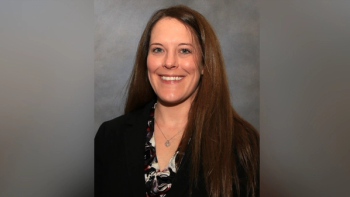
The formula for bridging scientific advancement with operational flexibility in boosting access to cell and gene therapies.

Lance Hill, CEO of Within3, discusses how AI-driven decision support tools are helping pharmaceutical companies achieve launch excellence while maintaining regulatory compliance and data integrity.
The partnership will provide DTC options at locations nationwide.

From patent cliffs and government price controls, to self-pay models and staff-model HMOs, a look at the forces that could deflate the bubble—and those factors likely to keep it afloat a while longer.
How is AI solving pharma's speed-to-market challenge?
Advertisement
Advertisement
Trending on Pharmaceutical Commerce
1
How Precision and Share of Answer Will Reshape Pharma Marketing
2
How Lanes and Duration Shape Cold Chain Packaging Selection
3
Smart Locks, Escorts or Parcel? Matching Security to the Shipment
4
Supply Chain Visibility Needs Context Before AI, Says PAXAFE’s Mark Talens
5