

BMS will deploy enterprise AI across functions to streamline workflows, structure field insights, and improve HCP engagement and execution.
BMS will deploy enterprise AI across functions to streamline workflows, structure field insights, and improve HCP engagement and execution.

Tommy Bramley explains how real-world evidence is reshaping how specialty pharma demonstrates value — from trial design to payer negotiations and patient outcomes.
In this week's Pharma Pulse, the Trump administration expands TrumpRx to over 600 generics, the Supreme Court clears the way for long-term Medicare drug price negotiations, Eli Lilly moves deeper into genetic medicines with a $202 million acquisition, and the FDA loses more top leadership.

High copays, restrictive networks, and travel distances leave many rural Americans facing steep barriers to prescription access.

Rahul Mittal explains how execution infrastructure can help generics manufacturers improve hospital access, reduce delays, and strengthen coordination.

The expansion of TrumpRx will increase price transparency and purchase options of generic drugs for cash-paying patients.

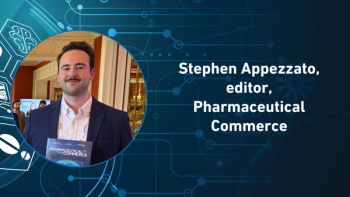
There is never a quiet moment to step into a new role, and joining Pharmaceutical Commerce as editor has been no exception.
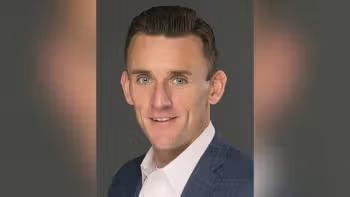
The industry is asking harder questions about how therapies reach people, who can afford them, and what it will take to close the gaps that remain.

The Supreme Court declined pharma appeals, letting Medicare drug price negotiations under the IRA proceed, solidifying federal pricing authority.

Jeremy Richardson explains how direct-to-patient models increase drug pricing transparency and demonstrate value.

Ben Sharples, LogiPharma event director, examines how life sciences organizations are adapting to AI in the supply chain, with expert testimony from LogiPharma partners.

At the Doceree Makers Summit, leaders from Sanofi, Bristol Myers Squibb, Eli Lilly, and others backed a new pharma marketing operating model to replace fragmented legacy softwares.

Pharma is moving from centralized patient hub services to a “hubless hub” model, using tech-enabled, distributed access tools to improve speed and outcomes.
In today’s Pharma Pulse, FDA leadership changes with Makary’s resignation, Lilly shares new Zepbound and GLP-1 data, and new study data on prior authorization reform outlook.

US pharma supply chains are shifting amid regulation and geopolitics, with BIOSECURE driving less Asia reliance and more complex, distributed networks.

Will Shrank, MD, explains the main hurdles to specialty therapy access, and what will impact the market over the next few years.
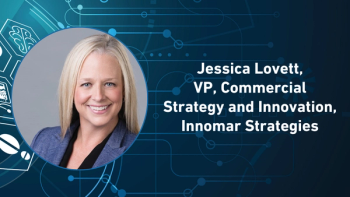
Jessica Lovett explains the importance of being connected to the broader access ecosystem and how leveraging partnerships that can provide global insight and intelligence.

FDA commissioner Marty Makary is planning to resign today, according to sources close to the White House.

Tommy Bramley breaks down the benefits of incorporating real world evidence and data early into a product's lifecycle.
Decision intelligence helps pharma unify small molecule and cell and gene therapy supply chains through AI-driven, automated decision-making.

AI-driven cold chain visibility is only as reliable as the data behind it, exposing gaps between compliance, monitoring, and true product conditions.
Live from Asembia AXS26, Kim Plesnarski shares what a best-in-class reimbursement and support model looks like.
According to the Wall Street Journal, a source close to the White House said FDA commissioner Marty Makary "is done."

For drugs already on the market, there may be little companies can do to limit business impact; however, for new development drugs, there are some critical considerations.

Bill McElnea and Hinal Sharma discuss how the role of a specialty pharmacy will evolve in the next few years.
Live from Asembia AXS26, Austin Russian examines how specialty therapy launches are evolving.

Angelini Pharma is acquiring Catalyst Pharmaceuticals in a $4.1 billion transaction that expands its presence in the US rare disease market and adds a portfolio of neuromuscular and neurological therapies.
Jennifer Lospinoso shares how cell and gene therapy access models differ from normal specialty medications, and how the market will adapt in the next five years.

Will Shrank, MD, explains how the specialty pharma pipeline could pose access risks in the future.